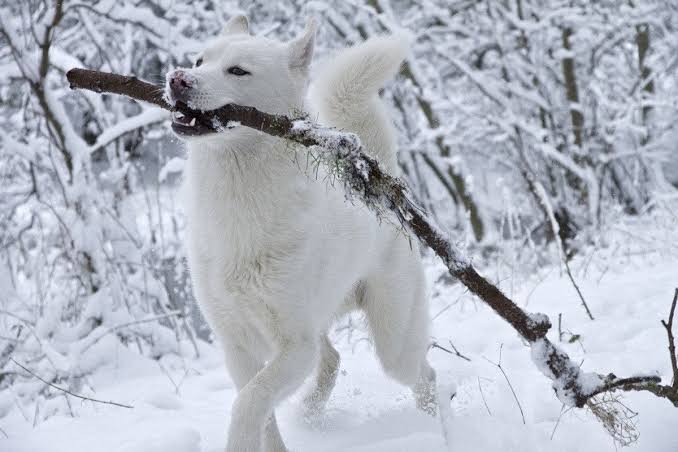
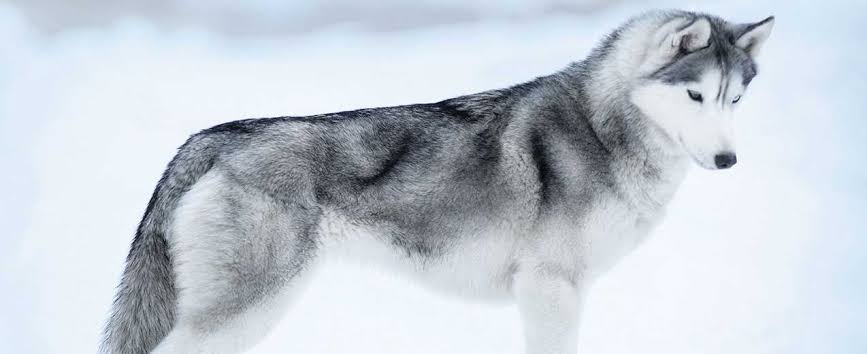
The Siberian Husky is a medium-sized working sled dog breed. The breed belongs to the Spitz genetic family.They are active, energetic, resilient breed, whose ancestors lived in the extremely cold and harsh environment of the Siberian Arctic. Where they are bred by the Chukchi people of Siberia for sled pulling and companionship.
Information and facts about the siberian husky
| Other names | Chuka, sibe, husky, chuksha. |
| Origin | Northeast Asia |
| Types of siberian huskies | |
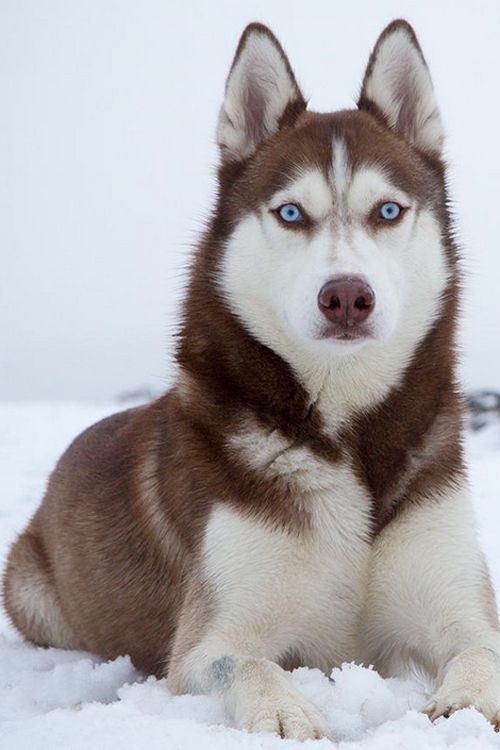
| Colours | White, black, grey and white, sable and white, black and tan, black and white, silver and grey, red and white |
| Patterns | Husky colors come in a variety of shades and patterns. Their standard coat combination is white and agouti, black, grey, red, or sable. |
| hight | 21 to 23 male (inches) 20 to 22 female (inches) |
| weight | 45 to 60 male (pounds) Female 35 to 50 |
| Top speed | 30 mph |
| life expectancy | 12 to 15 years |
| produce | 4–8 puppies |
Facts
* the made headlines around the world in the winter of 1925 when a sled team delivered lifesaving medicine to Nome, Alaska during a diphtheria outbreak. The team was led by a Siberian Husky named Balto.
* During World War II, Huskies were used by the US Army to transport provisions, medicine, and mail.
* The huskys can alter their metabolism. To draw energy from more than one source. This allows them to run for extended periods on very little food without becoming fatigued.
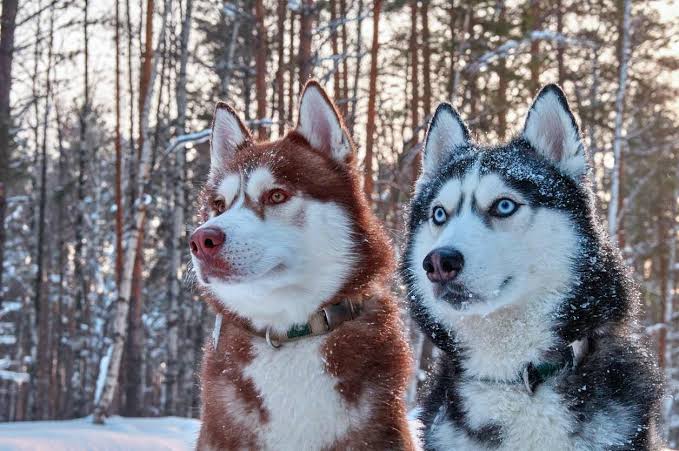
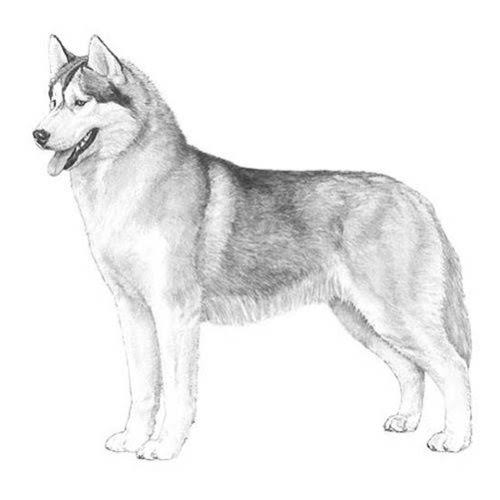
* The siberian husky is recognizable by the thickly furred double coat and erect triangular ears, distinctive markings, and is smaller than the similar-looking to an Alaskan Malamute.
* Siberian huskies were developed under harsh conditions and, not surprisingly, are easy dogs to keep. They can easily become obese if overfed or not exercised. These are dogs bred for running, and they should have a good run at least a couple of times weekly. Siberian huskies tend to be hardy dogs and often live to 14 years of age.
* The siberian husky can survive extreme cold temperatures.
* Huskies also have a condition known as snow nose in which pink markings appear on the nose in winter and usually disappears in summer.
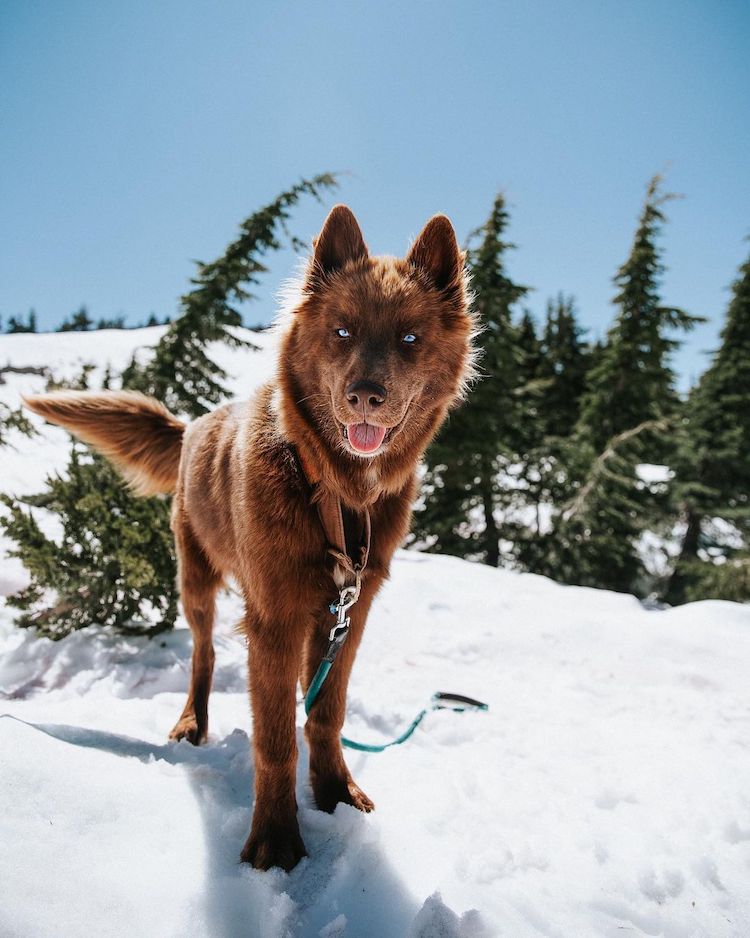
* Huskies can have brown or amber colours, but often the Husky’s eyes are a piercing blue. Blue eyes in Huskies are a dominant trait, This color is rare and recessive in other breeds.
* Siberian Huskies like to dig holes. This is normal because they burn excess energy, but digging also comes naturally to this breed.
* All of The Siberian husky puppies are known for their playful antics and exuberance.
* The top speed for a Siberian Husky is 28 miles per hour
* Siberian Huskies are not recommended for apartment living, but some do quite well in apartments if they are properly trained and exercise.
* The siberian husky is not a good guard dog But Their fierce wolf-like appearance may scare off some intruders. They’re simply too playful and friendly and will happily welcome strangers
* Huskies are famous for the “Siberian Swirl.” This is a position Huskies commonly sleep in – curled up with their tails covering their noses. This behavior is for conserving warmth since they originated from the harsh cold of Siberia.
* Huskies have cured an epidemic.

     One of the most known feats of the Siberian Husky is the 1925 Serum Run to Nome, where 150 huskies ran 674 miles (1,085 km) in an extremely harsh blizzard to deliver the antitoxin for diphtheria.
* The siberian husky needs a lot of physical and mental stimulation . They need 30 to 60 minutes of exercise daily to keep them from boredom. Huskies are a lot more like teenagers.
* In Game of Thrones’ The direwolves caused an increase in demand for Siberian Husky…
* The Husky is know to chew or jump through anything that gets in their way.
* Their good-naturedness with strangers makes them a great companion and/or a family dog.
Health
Characteristic of the siberian husky
| Adaptability | ⭐⭐⭐⭐⭐ |
| Appearance | ⭐⭐⭐⭐⭐ |
| dangerous | ⭐⭐⭐⭐⭐ |
| energy | ⭐⭐⭐⭐⭐ |
| exercise needed | ⭐⭐⭐⭐⭐ |
| health | ⭐⭐⭐⭐⭐ |
| intelligence | ⭐⭐⭐⭐⭐ |
| muscle and power | ⭐⭐⭐⭐⭐ |
| loyal | ⭐⭐⭐⭐⭐ |
| rareness | ⭐⭐⭐⭐⭐ |
| obedience | ⭐⭐⭐⭐⭐ |
| personality | ⭐⭐⭐⭐⭐ |
| temperament | ⭐⭐⭐⭐⭐ |
History of the Siberian husky
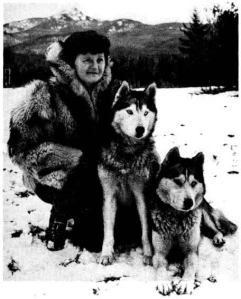
The Siberian Husky’s compact body, well-furred coat, erect ears, and thick, sickle-shaped tail immediately suggest the breed’s northern heritage. The breed’s ancestors were originally bred in northeastern Asia by the Chukchi people and were kept as companion dogs for their families as well as endurance sled
When changing climate conditions forced the semi-nomadic Chukchi to expand their hunting grounds or perish, they rose to the challenge by developing a sled dog capable of hauling light loads over vast expanses of frozen wasteland in sub-zero temperatures, with a minimum expenditure of energy. The Chukchi, isolated from the rest of the world, were able to maintain the purity of their sled teams for many generations. The dogs they developed were the direct forerunners of today’s Siberian Husky.
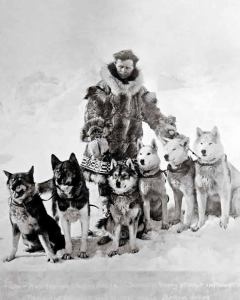
Siberians caught the eye of the public when they began winning sled races in the early 1900s, but they made headlines in 1925 when a legendary musher Leonhard Seppala led a relay of Siberian Huskies 658 miles in only five and a half days to rush a lifesaving serum to Nome, Alaska, where an epidemic of diphtheria had broken out. The thrilling “serum run,” reported breathlessly in newspapers around the world, won Siberians a popularity that has not abated to this day. Balto, who was Seppala’s lead dog on the final leg of the journey, remains one of the most honored hero dogs in canine history; a statue of him stands in New York City’s Central Park.
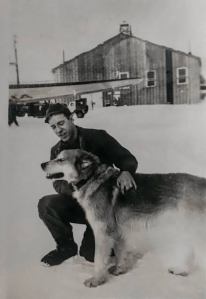
Mushers still keep packs of sledding Siberians for fun and sport throughout North America. Less adventurous devotees of the breed simply enjoy the company of this sociable, gentle companion.
Information and facts about the siberian husky
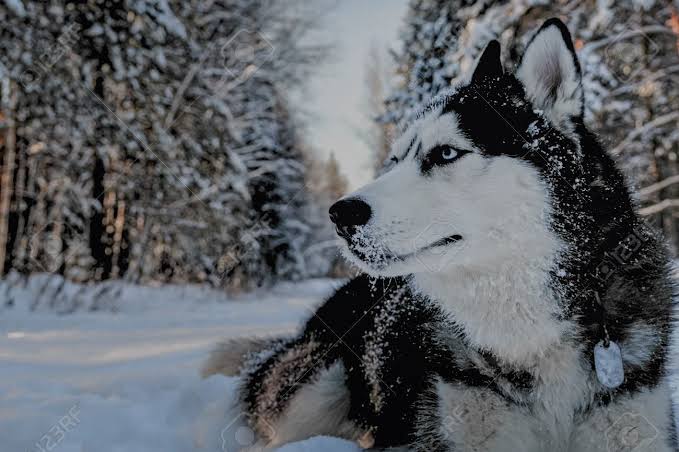
Weight Range:
Male: 45 lbs.
Female: 35-50 lbs.
Height at Withers:
Male: 23 in.
Female: 21 in.
Features:
Upright ears (naturally)
Expectations:
Exercise Requirements: >40 minutes/day
Energy Level: Average
Longevity Range: 11-13 yrs.
Tendency to Drool: Low Tendency to Snore: Low
Tendency to Bark: Moderate
Tendency to Dig: Moderate Social/Attention Needs: Moderate
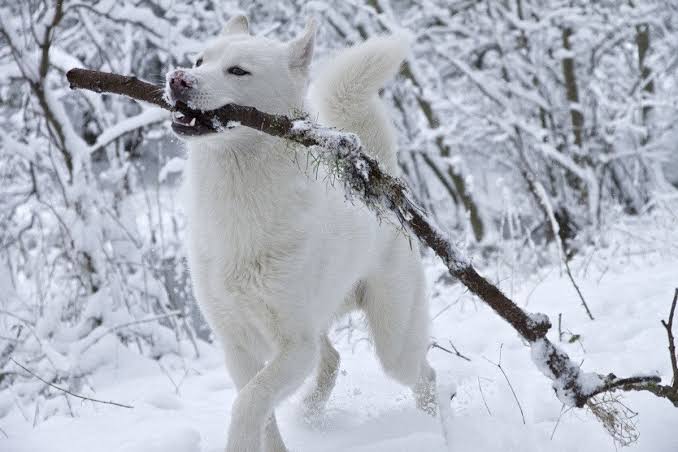
Health
In Huskies, you should expect to see health clearances from the Orthopedic Foundation for Animals (OFA) for hip dysplasia (with a score of fair or better), elbow dysplasia, hypothyroidism, and von Willebrand’s disease; from Auburn University for thrombopathia; and from the Canine Eye Registry Foundation (CERF) certifying that eyes are normal. You can confirm health clearances by checking the OFA web site (offa.org).
Diseases
- Cataracts
- Corneal Dystrophy
- Progressive Retinal
 doglover.data.blog