Top 10 most dangerous dog breeds

As dogs are helding the unique title of man’s best friend. The dogs in this list can easily be your worst enemy.

Disclaimer *

Before we continue we are not saying these dogs are naturally vicious or dangerous we are just saying that they could be.

Great dane

Although great dane is know as the gentle giant. They belong in this list based on sheer size also the fact that they’ve had a long and convoluted breed history. This means that great danes didn’t become great through sheer tyranny of will. It was a century long process that started in Germany in the 1600s. Although dogs resembling the great dane have been found on Egyptian monuments and ancient Chinese literature.

The Morden great dane is believed to be derived from the English mastif and the Irish wolf Hound. Danes were originally bred for boer hunting and quickly became prized for their size, intelligence and tenacity. The danes even found there way into the hands of European royalties. Eventually the need for boer hunting ran out and the great dane made a unique transition from ruthless hunting mashine to a friendly and docile companion. But it still remains its legendary size of course.

The great dane is the tallest breed of dog with one individual reaching 44 inches to the shoulder.

The fila brasileiros

Don’t let this dogs docile and appearance decive you. Also know as the Brazilian mastiff .

They are large and powerful dogs infact they are the second largest heading dog. But being herding dogs they tend to be over protective of the heard or family they are guarding which my be disastrous to any one or any thing they perceived as a threat.

Hailing originally from Brazil. They were used to herd cattle and other live stock. Intact they’ve built a reputation of being the excellent hearding dogs.

They also have an aggressive streak and once they attack their uncomfortable nature makes it next to impossible for them to be stoped. They are also feared due due to their unpredictability. You will never know when this dog is going to attack. These dogs are so notorious for human attacks. In the their native country of Brazil attack realeted fatalities aren’t uncommon.

On the bright side this dog rarely attacks without provocation.The problem might be you just can’t know what’s considered provocation.

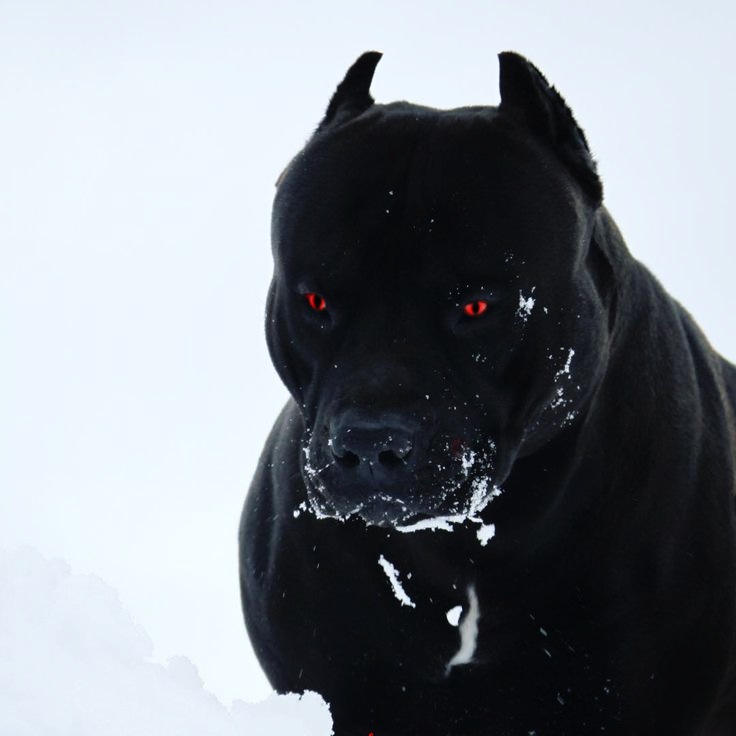
Perro de presa canaries

Just look at this dog. Can you tell us what he reminds you of ? If he reminds you of those vicious zombies in the resident evil franchise then we are on the same page. Similarities don’t end on looks alone. Unfortunately like the dog in the game this breed can be very vicious.

Translated from Spanish this breed literary means canary and catch dog. Its also known as the canary  mastif. But in reality this dog isn’t as docile as the canary mastif.

The fact that this breed is a result of selectively cross breeding different breeds of fighting dogs. Which should be an indication of how dangerous this dog could be. Although it’s original purpose was to help out in farms as a farm dog and to protect farm animals.

They were often used in dog fighting rings. Were they fought against other dogs until one dog is standing. This breed is rumoured to be a beast in the ring . With most of its winning fights end in fatalities.

The wolf dog
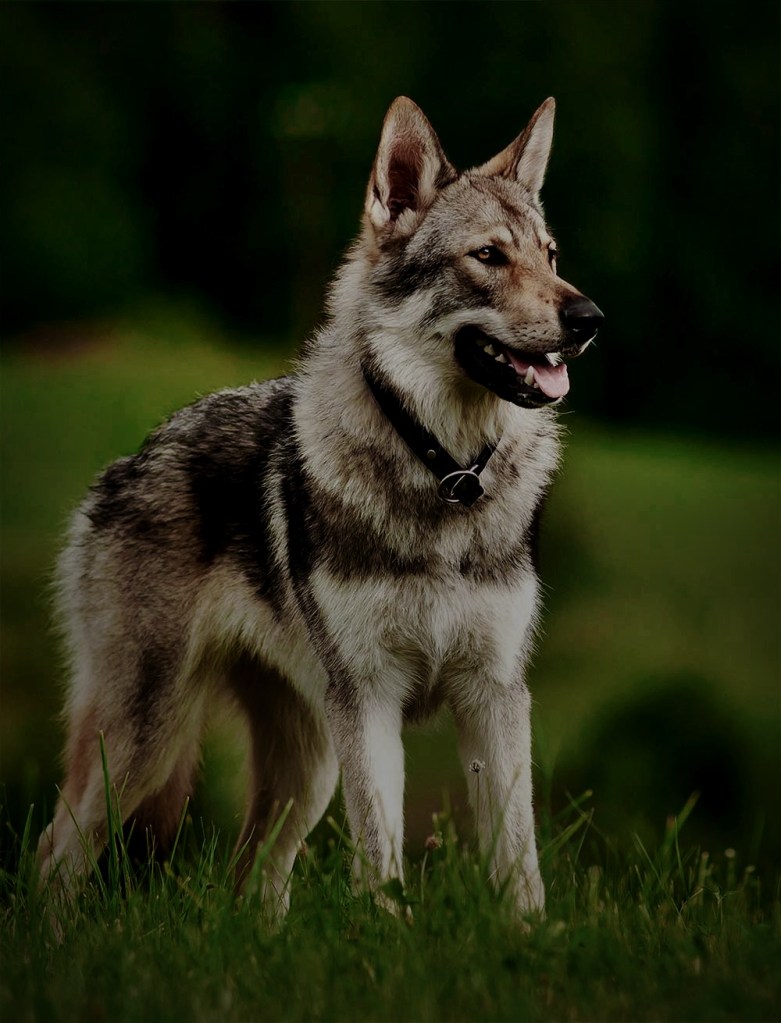
As the name tells us. Wolf dog is a cross breed of domesticated dogs and wild wolves. Very wild an unpredictable behaviour is a result of breeding wild animals with common dogs.

This breed has some pretty good qualities and some that can be very dangerous to humans if they manifest them selves. In some countries breeding and keeping this pet is prohibited.

Pack mentality is very much a pre dominant trait of this breed. As a result these beasts have protective instincts. Which is good for the family that Is considered to be in the pack and bad news to anyone or anything considered a threat. And because of their wolf heritage if and when they attack it will be vicious and relentless.

The alaskan Malamute

Alaskan Malamutes are one of the largest dog breed of domesticated dogs in the world. They can reach an average of a hundred pounds. And we can say definitely that the size is put to use. They were originally used as sled dogs back in the days. Their massive size and impressive strength allows them to pull heavy loads even in the harshest of artic winters. Their thick coats also allow them to survive below freezing temperatures. Even if let out in the open without any shelter.

Given that the habitats they live in is difficult. The malmutes were bred to be natural hunters.These beats are very capable of bringing down large prey. It is said that one malmute is a match for a large bear.

Siberian husky

Closely to related to the alaskan Malamute. The Husky is one of the most popular domesticated dog breed. Just like the Malamute the husky originated as a sled dog in the northern regions this means both breed share common traits. Although the Husky is a lot smaller than the Malamute. It makes up for it in agility.

The Huskies also have a very striking appearance. Their thick coats almost always have colour patterns unique to each individual dog. And that unmistakably face mask that only belongs to the breed and their striking ice blue eyes. There one of the most beautiful dog breeds out there.

Huskies are also natural hunters bit being smaller than the Malamute. They have a adapted in a different method to bring down prey. The Huskies have learnt to hunt in packs just like the wolves.

Huskies attacks on human are not common but they do happen. Most times its because the animal is mistreated and or isn’t trained properly. Nevertheless if they do decide to attack you there more than willing to do some serious damage.

Doberman

Dobermans are one of the most feared dogs out there. Mainly due to the fact that they have a fearsome look. Dobermans are famous for their agility and tracking skills making this intelligent breed of dog the perfect guard. How ever a closely monitored training system with consistency and patience. If left un trained or trained inappropriately they can be quite hard to manage.

Large and extremely strong with a bite force that can crush bone. The dober man is capable to bring a fully grown man down. They are also a very sensitive breed and they don’t take kindly to people who mistreate them or people who they considere a threat. If mistreated this dog can be very aggressive and most cases attack without any provocation.

German shepherd

German Shepherds were originally bred as herding dogs and began gaining popularity in the United States in the 1900s. They can grow from 22 to 24 inches to the shoulder and weight up to 90 pounds.

They are very courageous,loyal and confident but they need regular training and socialization. German Shepherds are very connected to their owners and want to please them. Their athletic abilities and willingness to protect their owners can be very dangerous. This breed is also know not to make new friends easily.

Bull mastif

Bull mastiffs are one of the largest dog breed in the world. They were bred to be powerful,strong and solid built. They were bred originally to be guard dogs. Needless to say they are excellent in doing their jobs. Their naturally protective instincts are very high. With proper consistence and training they became very dependable and obedient.

Unfortunately not all people have the knowledge enough fit to rein in such a large and powerful dog. And this is where the danger comes in. Because of their primary job bull mastiffs attack on humans are fairly common. Being powerful and strong their attacks can lead to permanent physical and even physiological damage of the victim. If not fatal.

Pitbull Terrier

Pitbulls are a very popular breed of strong dogs. This is the result greet when you combine energy and agility of Terriers and the body build of bull dogs. Thr Pitbulls mostly get a reputation we think it’s due to the fact that they are used in dog fights. But the pitbulls advocates explain that they are very misunderstood. They are naturally mild mannered,loyal and highly intelligent.

The problem here is when you have intelligence, trainability, unmatched agility and mix it with mind blowing strength. if not trained properly or trained in the wrong way. The Pitbull can be very dangerous. They are the quintessential fighting dog breed. It is said that if a Pitbull is fighting in the ring the match almost always ends in a fatality.

Rottweiler

Rottweilers are commonly know for their fearsome reputations. The Rottweilers were originally bred in Germany to herd cattle, pull carts and guard properties. Today, it is still an extremely trustworthy dog as well as a guard dog and loving family pet—a “Velcro dog.” With its powerful jaws and fearless nature, this breed can be dangerous if not properly trained.

Being an intelligent breed they can be taught to do almost anything but there most effective as guard dogs. Rottweilers are very aggressive by nature. Protecting their family and territory is in their instincts. They are willing to risk everything for what they love. This aggressive nature is what makes them very dangerous. In fact their responsible for most attacks on human in the United States.
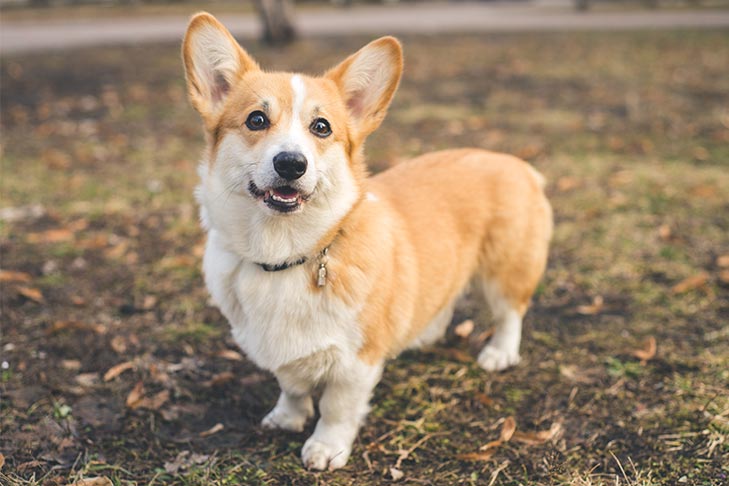
Pembroke Welsh Corgi

The Pembroke Welsh Corgi is a cattle herding dog breed that originated in Pembrokeshire, Wales. It is one of two breeds known as a Welsh Corgi.
Pembroke Welsh Corgis descended from the Spitz family of dogs.

Adaptability ⭐⭐⭐⭐⭐
Appearance ⭐⭐⭐⭐⭐
Dangerous ⭐⭐⭐⭐⭐
Energy ⭐⭐⭐⭐⭐
Exercise needed ⭐⭐⭐⭐⭐
Health ⭐⭐⭐⭐⭐
Intelligence ⭐⭐⭐⭐⭐
Muscle and power ⭐⭐⭐⭐⭐
Loyalty ⭐⭐⭐⭐⭐
Rareness ⭐⭐⭐⭐⭐
Obedience ⭐⭐⭐⭐⭐
Personality ⭐⭐⭐⭐⭐
Temperament ⭐⭐⭐⭐⭐
Trainability ⭐⭐⭐⭐⭐

Poodle

The Poodle, called the Pudel in German and the Caniche in French, is a breed of water dog. The breed is divided into four varieties based on size, the Standard Poodle, Medium Poodle, Miniature Poodle and Toy Poodle, although the Medium Poodle variety is not universally recognised.

characteristic of the Poodle

Adaptability ⭐⭐⭐⭐⭐
Appearance ⭐⭐⭐⭐⭐
Dangerous ⭐⭐⭐⭐⭐
Energy ⭐⭐⭐⭐⭐
Exercise needed ⭐⭐⭐⭐⭐
Health ⭐⭐⭐⭐⭐
Intelligence ⭐⭐⭐⭐⭐
Muscle and power⭐⭐⭐⭐⭐
Loyalty ⭐⭐⭐⭐⭐
Rareness ⭐⭐⭐⭐⭐
Obedience ⭐⭐⭐⭐⭐
Personality ⭐⭐⭐⭐⭐
Temperament ⭐⭐⭐⭐⭐

History of the Poodle

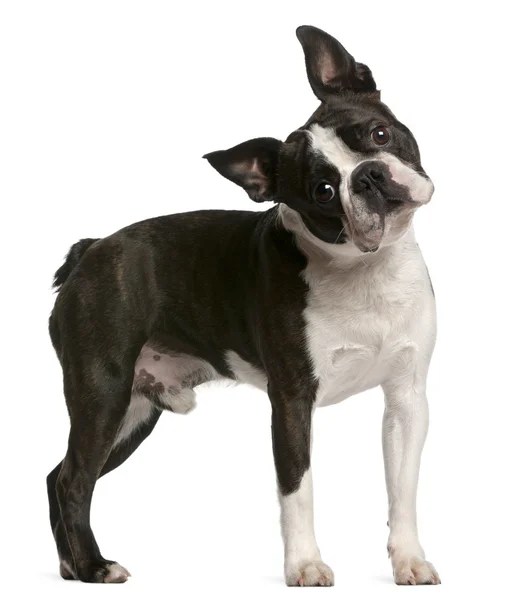
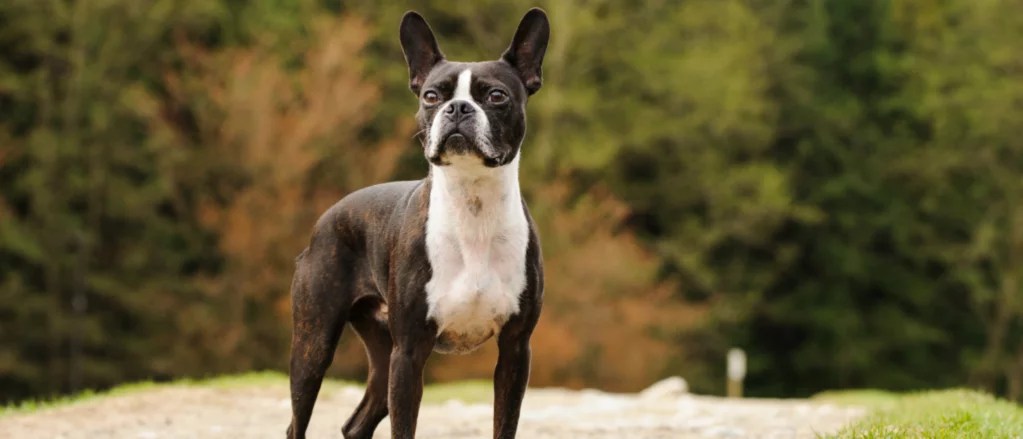
The Boston Terrier

The Boston Terrier is a breed of dog originating in the United States of America. This “American Gentleman” was accepted in 1893 by the American Kennel Club as a non-sporting breed.

Characteristic of the Boston Terrier

Adaptability ⭐⭐⭐⭐⭐
Appearance ⭐⭐⭐⭐⭐
Dangerous ⭐⭐⭐⭐⭐
Energy ⭐⭐⭐⭐⭐
Exercise needed ⭐⭐⭐⭐⭐
Health ⭐⭐⭐⭐⭐
Intelligence ⭐⭐⭐⭐⭐
Muscle and power ⭐⭐⭐⭐⭐
Loyalty ⭐⭐⭐⭐⭐
Rareness ⭐⭐⭐⭐⭐
Obedience ⭐⭐⭐⭐⭐
Personality ⭐⭐⭐⭐⭐
Temperament ⭐⭐⭐⭐⭐

History of the Boston Terrier

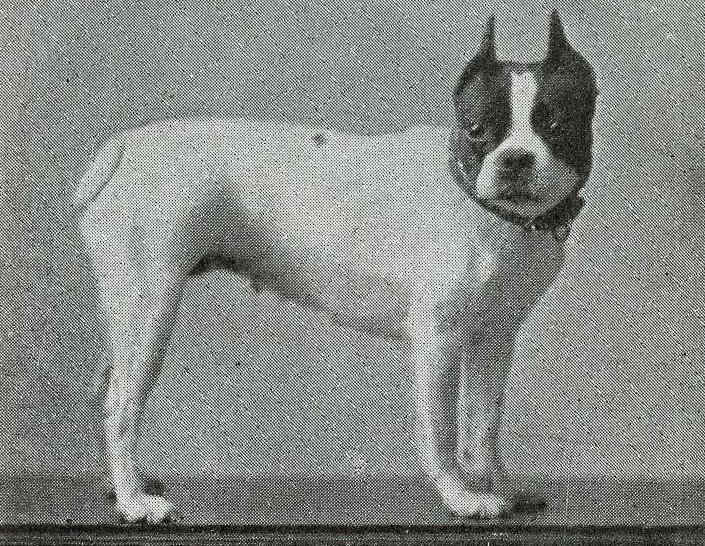
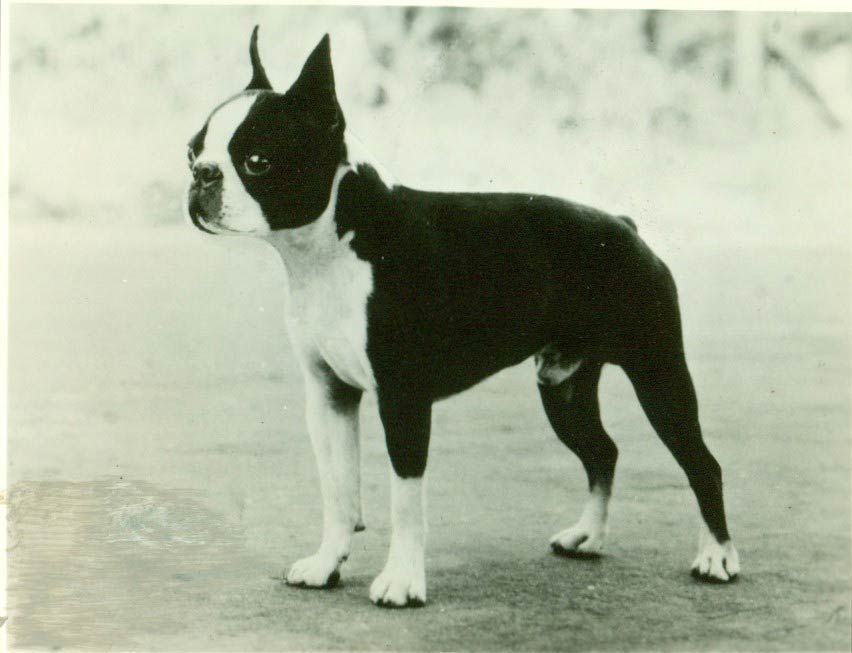
The Boston Terrier is the first true American creation of a purebred dog. Nicknamed the American Gentleman, tremendous progress has been made in developing the Boston Terrier we know today. Very few have the disposition and quality of being such a wonderful companion. Great responsibility lies with breeders in their selection of which breeding stock they choose. The future of the breed is dependent on how the current generation is carefully bred. All must be done to preserve the high standards that have been previously set.

We know more about the Boston Terrier breed than most others due to very detailed record keeping by the early breeders. The Boston Terrier was originally bred to be a fighting dog. Present day Boston Terriers are more lovers than fighters. Undesirable traits have been bred out to compliment the qualities we treasure in our best friends today. They are indoor dogs that do not tolerate extreme weather conditions such as frigid temps or high heat. Due to their popularity in their infancy in Boston, many realized their great worth as companions and a much brighter future path was developed.

Before we discuss the actual creation of the breed in Boston I want to mention two important events that occurred in England that played an important role in changing the Boston Terrier’s fate in dog fighting. Both of these events made their way to the East Coast of USA from their origin in England. The first were the organized Stud Books of English Foxhounds followed closely by other breeds. Consequently Dog Shows and Kennel Clubs developed in England, soon to be embraced on the USA soil as well. The second event was the Passage of English Cruelty to Animals Act of 1835. This banned the very popular sports of bear and bull baiting which many partook in as forms of gambling and recreation in England.

Now to the highly anticipated look at the Boston Terrier’s beginnings in Boston. Around 1870 William O’Brien of Boston sold his imported dog JUDGE to Robert Hooper also of Boston. This dog became known as HOOPER’S JUDGE and is the ancestor of the true modern Boston Terrier. Originally a cross between an English Bulldog and a white English Terrier, French Bulldogs and Pit Bull Terriers were also introduced in the mix. Many of the early breeders included stable workers and carriage drivers who used their employers’ pedigreed dogs to breed with their non-pedigreed dogs. The common name for these dogs was American Bull Terriers, also known as Roundheads.

During 1889 The American Bull Terrier Club was formed in Boston. There were 75 dogs in their Stud Book. Three generations could be traced back and thus formed the basis for the modern Boston Terrier. The Boston Terrier Club of America was established in 1891 officially changing the name to Boston Terrier. The AKC was not sure the breed would continue to breed true. As it did, the AKC admitted Boston Terriers to their Stud Book in 1893.

By the end of the 19th century started to overtake Toy Spaniels and Pugs with the American Upper Class. During the 1920’s the Boston Terrier became the most popular dog in America. It’s presence was seen in Ads from tobacco to playing cards. In 1922 Boston University adopted Boston Terrier character RHETT as their official mascot.

During the 1930’s the Depression caused a decline in American’s interest in dogs. Many new breeds had been developed and soon surpassed the Boston Terrier’s popularity.

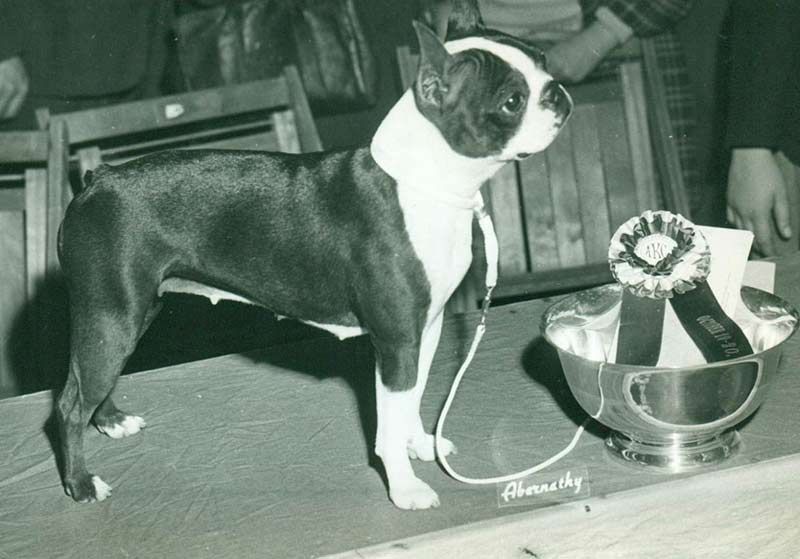
From 1900-1950 the AKC registered more Boston Terriers than any other breed of dog. Bostons have held their own. During 2012-2013 they were the 23rd most popular breed.

The commonwealth of Massachusetts named the Boston Terrier the Official State Dog in 1979.

Today the Boston Terrier appears to be making a major comeback in the USA. They are starring in numerous commercials, paper ads and adorning clothing, backpacks and toys. Besides being excellent companions and competing in dog shows, Boston Terriers are excelling in many other areas. Fly Ball, agility trials, Pet Therapy and Service Dogs are just a few examples of the versatility of this breed. With their intelligence and great dispositions, the world is their limit.

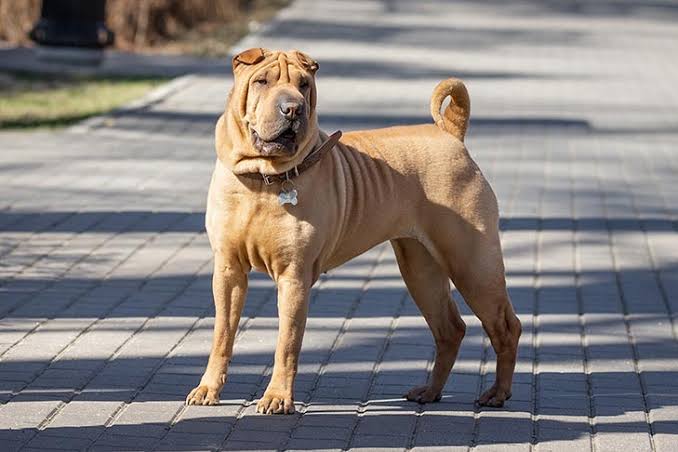
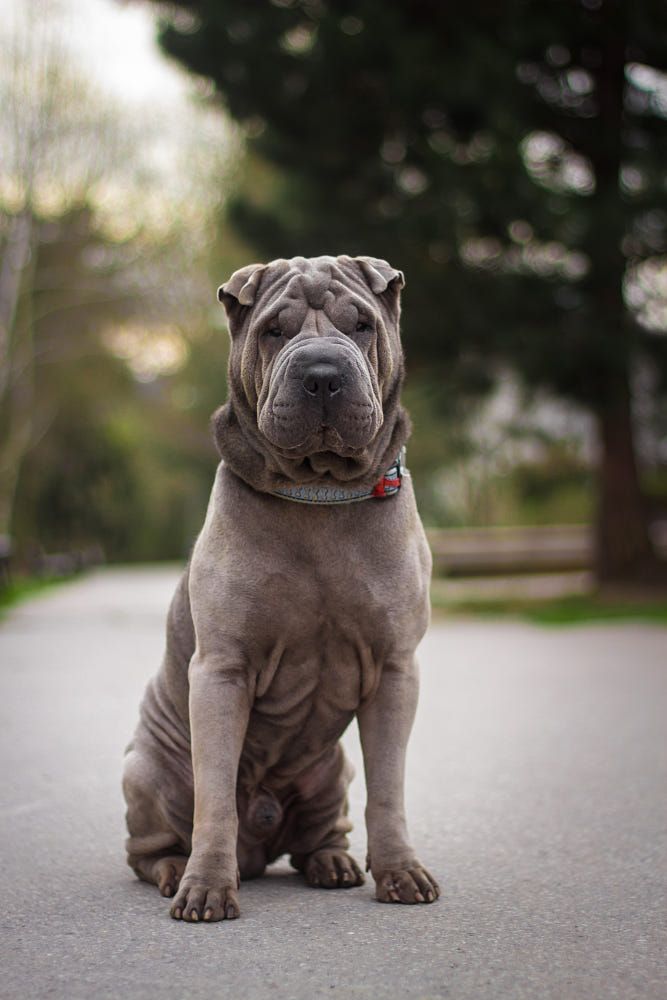
Shar Pei

The Shar Pei is a dog breed from southern China. Traditionally kept as a watchdog and property guardian, the Shar Pei was driven to the brink of extinction in the 20th century. The breed is known in the West for its deep wrinkles, whilst a traditional less wrinkled form is maintained in Hong Kong.

Characteristic of the shar pei

Adaptability ⭐⭐⭐⭐⭐
Appearance ⭐⭐⭐⭐⭐
Dangerous ⭐⭐⭐⭐⭐
Energy ⭐⭐⭐⭐⭐
Exercise needed ⭐⭐⭐⭐⭐
Health ⭐⭐⭐⭐⭐
Intelligence ⭐⭐⭐⭐⭐
Muscle and power ⭐⭐⭐⭐⭐
Loyalty ⭐⭐⭐⭐⭐
Rareness ⭐⭐⭐⭐⭐
Obedience ⭐⭐⭐⭐⭐
Personality ⭐⭐⭐⭐⭐
Temperament ⭐⭐⭐⭐⭐

History of the shar pei

There are no records indicating the origins of the Shar Pei, although it closely resembles effigies of an un-wrinkled type of guard dog kept in southern China during the Han dynasty; some believe the modern breed, along with the Chow Chow, descends from these dogs. The breed has been identified as a basal breed that predates the emergence of the modern breeds in the 19th century.

The Shar Pei first came to the attention of Western travelers in the 19th century, who called the breed the “Chinese fighting dog”; these dogs were not nearly as wrinkled as the modern breed and it was used by locals for dog fighting.

The Shar Pei was once very popular, but the political turmoil in China in the 20th century was to take its toll on the breed and by the 1970s it was close to extinction.In 1973 a Hong Kong businessman named Matgo Law appealed to the international community, in particular the American Kennel Club, to help save the breed; by 1978 the breed was named by The Guinness Book of Records as the world’s rarest breed, with only 60 remaining. The resultant publicity led to great demand in the United States for examples of the breed, and unscrupulous breeders in Hong Kong, Macau and Taiwan took to crossing their remaining purebred animals with other breeds including the Bull Terrier, Pug and Bulldog, and selling the offspring to unwitting American buyers. The results of the crossings led to a dog with a much fleshier mouth than the original breed, these dogs became known as “meat-mouth” Shar Peis, whilst the original dogs are called “bone-mouth” Shar Peis.

The cause of saving the breed was taken up in the United States by enthusiastic breeders using the dogs smuggled there in the 1970s, a breed club was founded and it received American Kennel Club recognition in 1992, with breed standard specifying a meat-mouth type dog. Some breeders in Hong Kong maintain the traditional bone-mouth type, although it is estimated only 50 to 100 examples of this type remain.

In the United States, a number of breeders have selectively bred Shar Peis for a smaller size, creating what they call the Miniature Shar Pei, much to the opposition of many breeders of traditionally sized Shar Peis. Standing to a maximum 40 centimetres (16 in), the Miniature Shar Pei is bred for both for its smaller size and increased wrinkles.

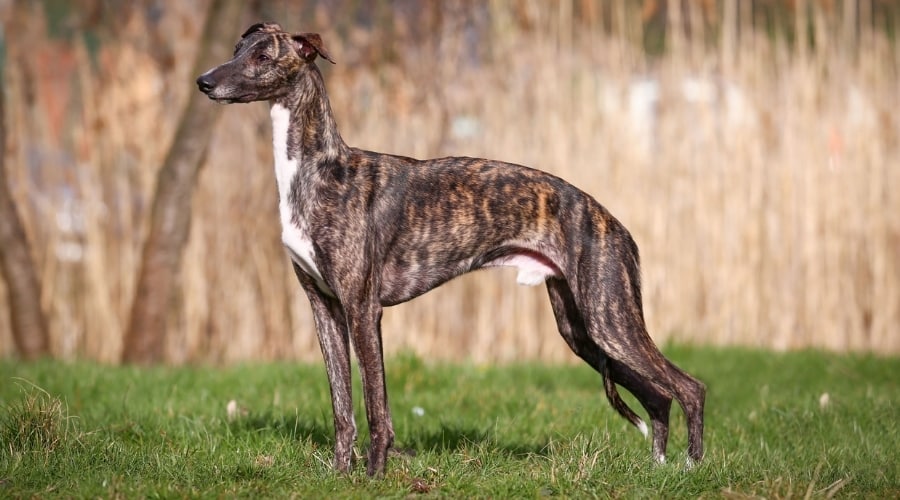
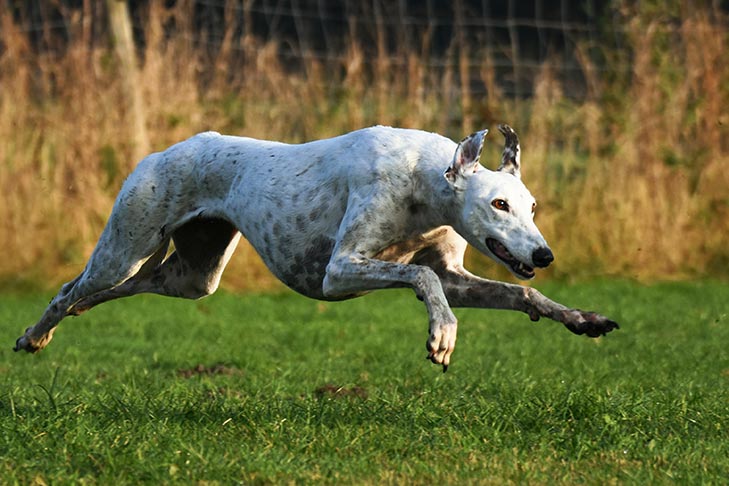
Grey hound

The Greyhound is a breed of dog, a sighthound which has been bred for coursing game and greyhound racing. It is also referred to as the English Greyhound. Since the rise in large-scale adoption of retired racing Greyhounds, the breed has seen a resurgence in popularity as a family pet. 

Speed: 72 km/h (Maximum, Race speed)

Life span: 10 – 14 years

The Kennel Club: standard

Temperament: Affectionate, Even Tempered, Intelligent, Athletic, Quiet, Gentle.

Characteristic of the grey Hound

Adaptability ⭐⭐⭐⭐⭐
Appearance ⭐⭐⭐⭐⭐
Dangerous ⭐⭐⭐⭐⭐
Energy ⭐⭐⭐⭐⭐
Exercise needed ⭐⭐⭐⭐⭐
Health ⭐⭐⭐⭐⭐
Intelligence ⭐⭐⭐⭐⭐
Muscle and power ⭐⭐⭐⭐⭐
Loyalty ⭐⭐⭐⭐⭐
Rareness ⭐⭐⭐⭐⭐
Obedience ⭐⭐⭐⭐⭐
Personality ⭐⭐⭐⭐⭐
Temperament ⭐⭐⭐⭐⭐

History of the grey Hound

The ancient skeletal remains of a dog identified as being of the greyhound/saluki form were excavated at Tell Brak in modern Syria, and dated as being approximately 4,000 years old.

Historical literature by Arrian on the vertragus (from the Latin ‘vertragus’, a word of Celtic origin), the first recorded sighthound in Europe and possible antecedent of the Greyhound, suggested that its origin lies with the Celts from Eastern Europe or Eurasia. Systematic archaeozoology of the British Isles conducted in 1974 ruled out the existence of a true greyhound-type in Britain prior to the Roman occupation, which was further confirmed in 2000. Written evidence from the early period of Roman occupation, the Vindolanda tablets (No. 594), demonstrate that the occupying troops from Continental Europe either had with them in the North of England, or certainly knew of, the vertragus and its hunting use.

An archaeological find at the Chotěbuz fort in the Czech Republic of sighthound type, “gracile” bones dating from the 8th to 9th century CE, anatomically defined as those of a 70 cm (28 in) high “greyhound”, were also genetically compared with the modern Greyhound and other sighthounds, and found to be almost completely identical with the modern Greyhound breed, with the exception of only four deletions and one substitution in the DNA sequences, which were interpreted as differences probably arising from 11 centuries of breeding of this type of dog.

All modern pedigree Greyhounds derive from the Greyhound stock recorded and registered first in private studbooks in the 18th century, then in public studbooks in the 19th century, which ultimately were registered with coursing, racing, and kennel club authorities of the United Kingdom. Historically, these sighthounds were used primarily for hunting in the open where their pursuit speed and keen eyesight were essential.


Etymology

The name “Greyhound” is generally believed to come from the Old English ‘grighund’. ‘Hund’ is the antecedent of the modern “hound”, but the meaning of ‘grig’ is undetermined, other than in reference to dogs in Old English and Old Norse. Its origin does not appear to have any common root with the modern word “grey” for color, and indeed the Greyhound is seen with a wide variety of coat colors. The lighter colors, patch-like markings and white appeared in the breed that was once ordinarily grey in color.

The Greyhound is the only dog mentioned by name in the Bible; many versions, including the King James Version, name the Greyhound as one of the “four things stately” in Proverbs 30:29–31. However, some newer biblical translations, including the New International Version, have changed this to ‘strutting rooster’, which appears to be an alternative translation of the Hebrew term ‘mothen zarzir’. However, the Douay–Rheims Bible translation from the late 4th-century Latin Vulgate into English translates this term as “a cock.”

In 1928, the first winner of Best in Show at Crufts was breeder/owner Mr. H. Whitley’s Greyhound Primley Sceptre.Greyhounds have won the award three times in total, the most recent being in 1956.

Historically, English Greyhounds were grouped: two for coursing, as a “Brace”, three for hunting, as a “Leash”, otherwise known as a “couple and a half”.

Afghan Hound

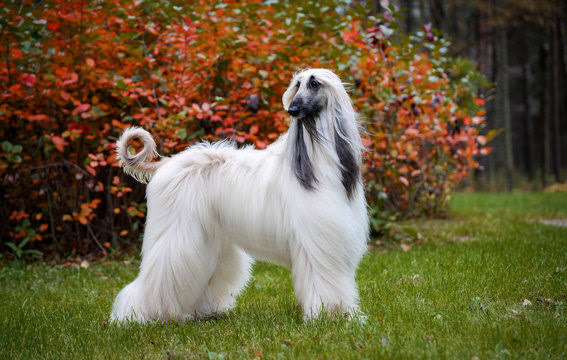
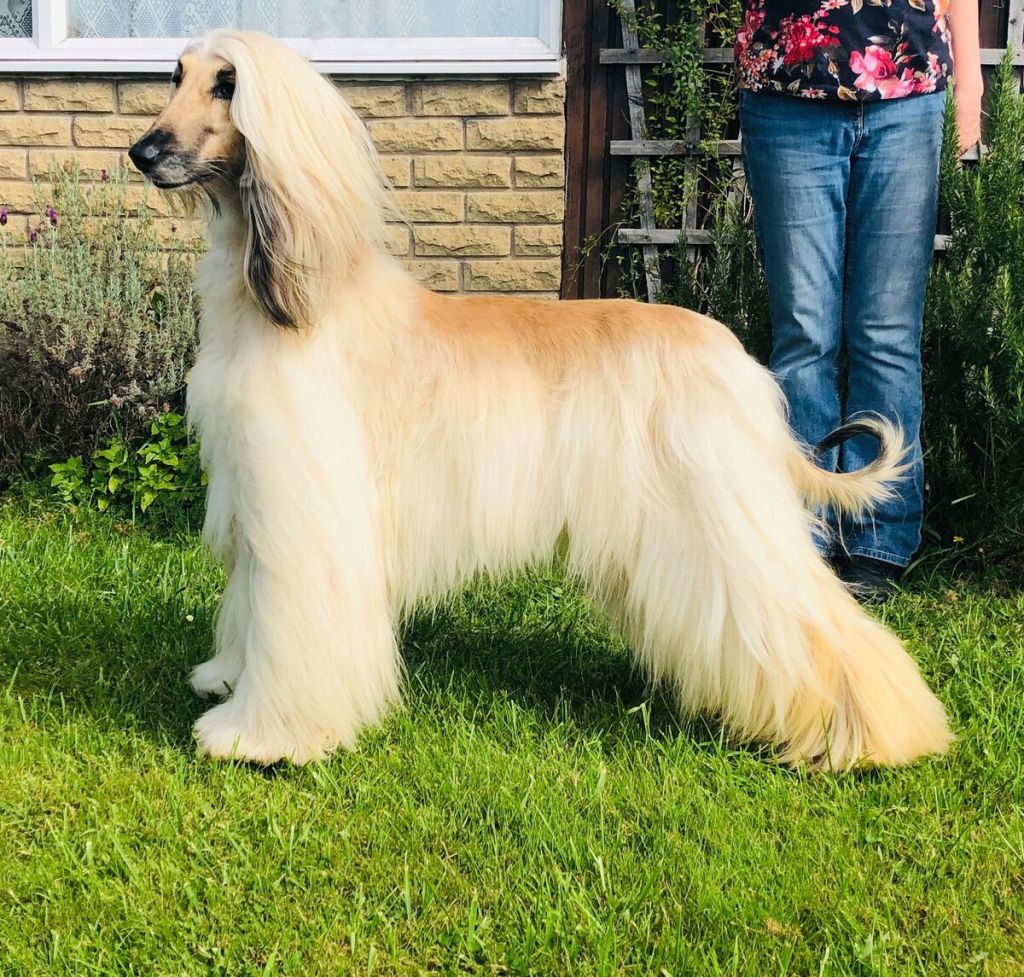
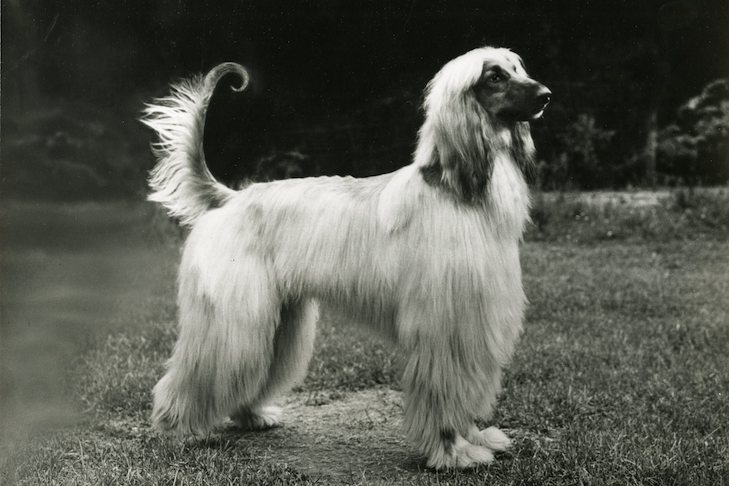
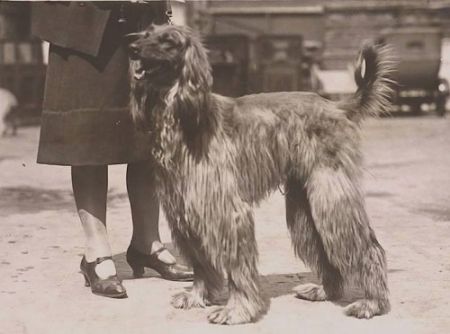
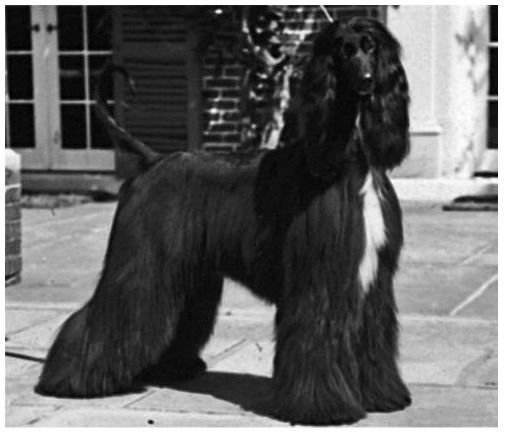
The Afghan Hound is a hound that is distinguished by its thick, fine, silky coat and its tail with a ring curl at the end. The breed is selectively bred for its unique features in the cold mountains of Afghanistan. Its local name is Tāžī Spay or Sag-e Tāzī.

Characteristic of the Afghan Hound

Adaptability ⭐⭐⭐⭐⭐
Appearance ⭐⭐⭐⭐⭐
Dangerous ⭐⭐⭐⭐⭐
Energy ⭐⭐⭐⭐⭐
Exercise needed ⭐⭐⭐⭐⭐
Health ⭐⭐⭐⭐⭐
Intelligence ⭐⭐⭐⭐⭐
Muscle and power ⭐⭐⭐⭐⭐
Loyalty ⭐⭐⭐⭐⭐
Rareness ⭐⭐⭐⭐⭐
Obedience ⭐⭐⭐⭐⭐
Personality ⭐⭐⭐⭐⭐
Temperament ⭐⭐⭐⭐⭐

History of the Afghan hound

The Afghan Hound has been identified as a basal breed that predates the emergence of the modern breeds in the 19th century. It is most closely related to the saluki.

Connections with other types and breeds from the same area may provide clues to the history. A name for a desert coursing Afghan hound, Tazi (Sag-e-Tazi), suggests a shared ancestry with the very similar Tasy breed from the Caspian Sea area of Russia and Turkmenistan. Other types or breeds of similar appearance are the Taigan from the mountainous Tian Shan region on the Chinese border of Afghanistan, and the Barakzay, or Kurram Valley Hound.

There are at least 13 types known in Afghanistan,and some are being developed (through breeding and record keeping) into modern purebred breeds.


Once out of Afghanistan, the history of the Afghan Hound breed became entwined with that of the very earliest dog shows and the Kennel Club (UK). Various sighthounds were brought to England in the 1800s by army officers returning from British India (which at the time included), Afghanistan, and Persia, and were exhibited at dog shows, which were then just becoming popular, under various names, such as Barukzy hounds.They were also called “Persian Greyhounds” by the English, in reference to their own indigenous sighthound.

One dog in particular, Zardin, was brought in 1907 from India by Captain Bariff, and became the early ideal of breed type for what was still called the Persian Greyhound. Zardin was the basis of the writing of the first breed standard in 1912, but breeding of the dogs was stopped by World War I.

Out of the longhaired sighthound types known in Afghanistan, two main strains make up the modern Afghan Hound breed. The first were a group of hounds brought to Scotland from Balochistan by Major and Mrs. G. Bell-Murray and Miss Jean C. Manson in 1920, and are called the Bell-Murray strain. These dogs were of the lowland or steppe type, and are less heavily coated.

The second strain was a group of dogs from a kennel in Kabul owned by Mrs. Mary Amps, which she shipped to England in 1925. She and her husband came to Kabul after the Afghan war in 1919, and the foundation sire of her kennel (named Ghazni) in Kabul was a dog that closely resembled Zardin. Her Ghazni strain were the more heavily coated mountain type. Most of the Afghans in the United States were developed from the Ghazni strain from England. The first Afghans in Australia were imported from the United States in 1934, also of the Ghazni strain. The French breed club was formed in 1939 (FALAPA). The mountain and steppe strains became mixed into the modern Afghan Hound breed, and a new standard was written in 1948, which is still used today.
The Afghan Hound can also come with a much more “patterned” coat. This descends from the Bell-Murray’s and the Ghazni lines, and is displayed in much lighter feathering of coat, deeper saddle (often actually looking like a saddle) and much shorter hair on the face and neck. It is believed that these particular Afghan Hounds were a product of much hotter parts of the country.

The beauty of Afghan Hound dogs caused them to become highly desirable show dogs and pets, and they are recognised by all of the major kennel clubs in the English-speaking world. One of the Amps Ghazni, Sirdar, won BIS at Crufts in 1928 and 1930. An Afghan hound was featured on the cover of Life Magazine, November 26, 1945. Afghan Hounds were the most popular in Australia in the 1970s, and won most of the major shows.An Afghan Hound won BIS (Best in Show) at the 1996 World Dog Show in Budapest. Afghan hounds were BIS at the Westminster Kennel Club Dog Show in 1957 and again in 1983. That win also marked the most recent win at Westminster for breeder-owner-handler, Chris Terrell.
The Afghan Hound breed is no longer used for hunting, although it can be seen in the sport of lure coursing.


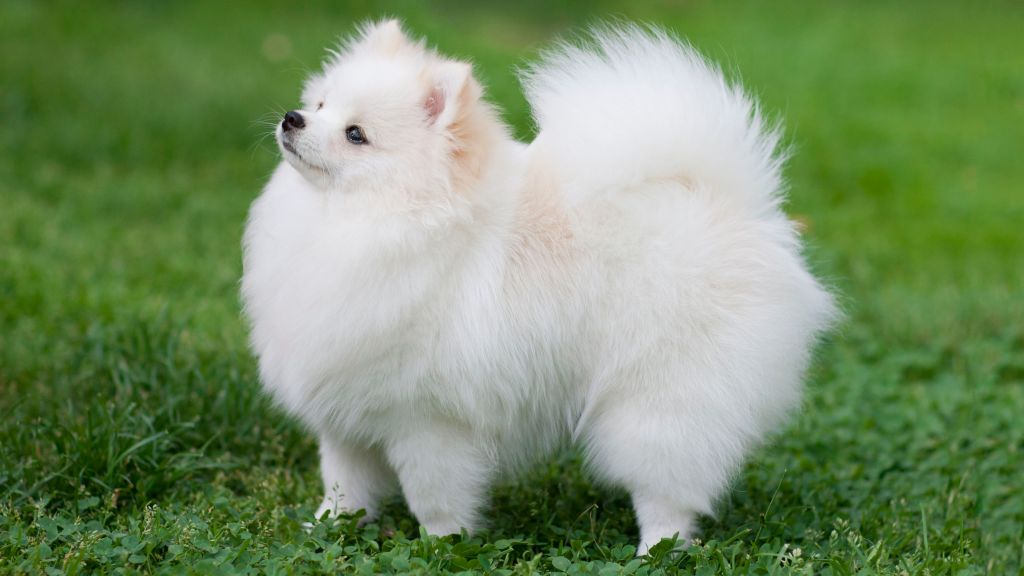
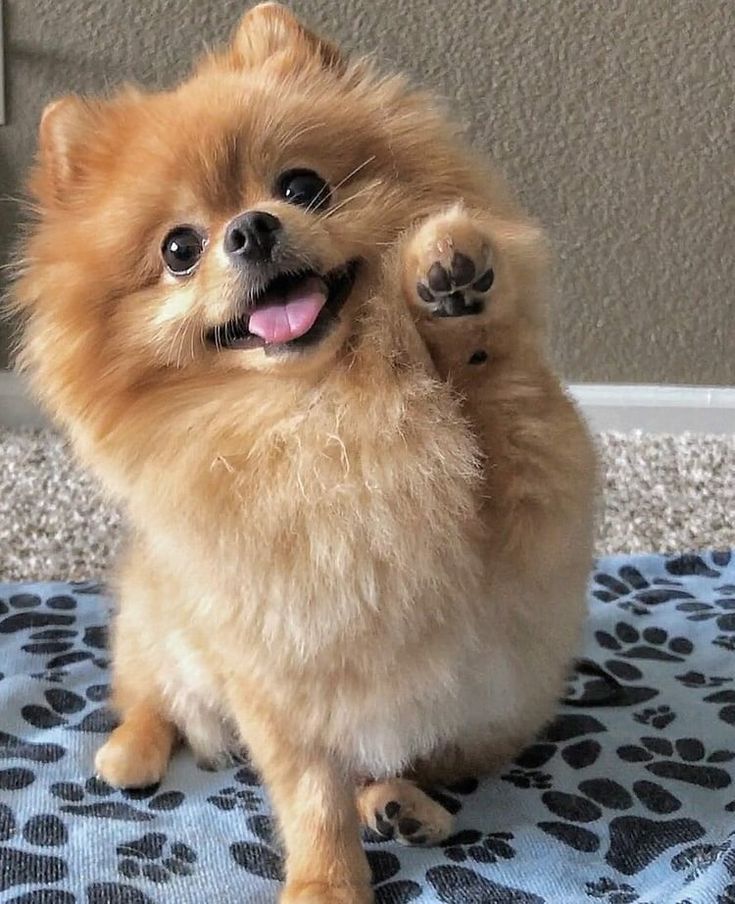
Pomeranian

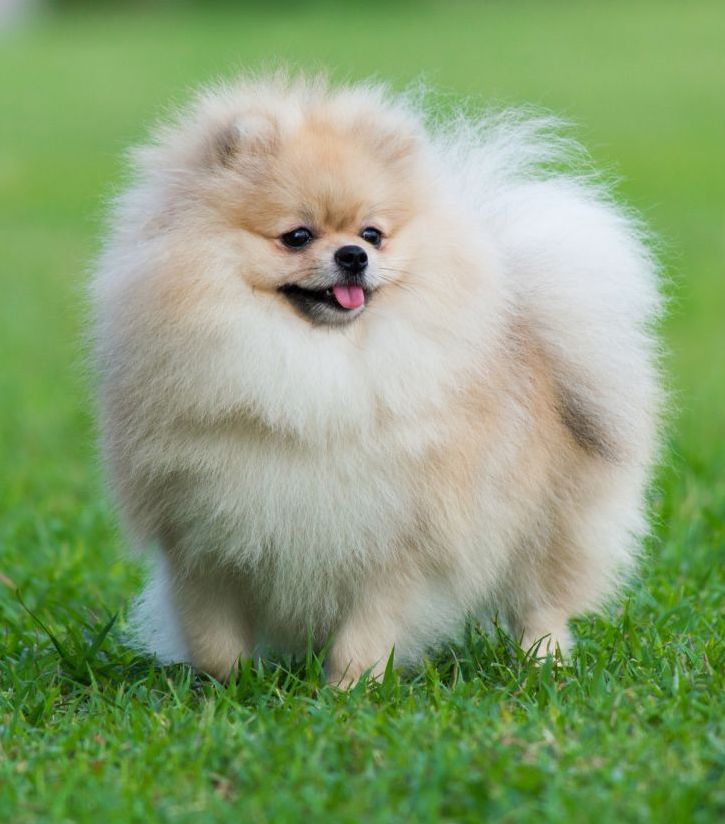
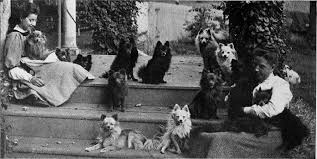
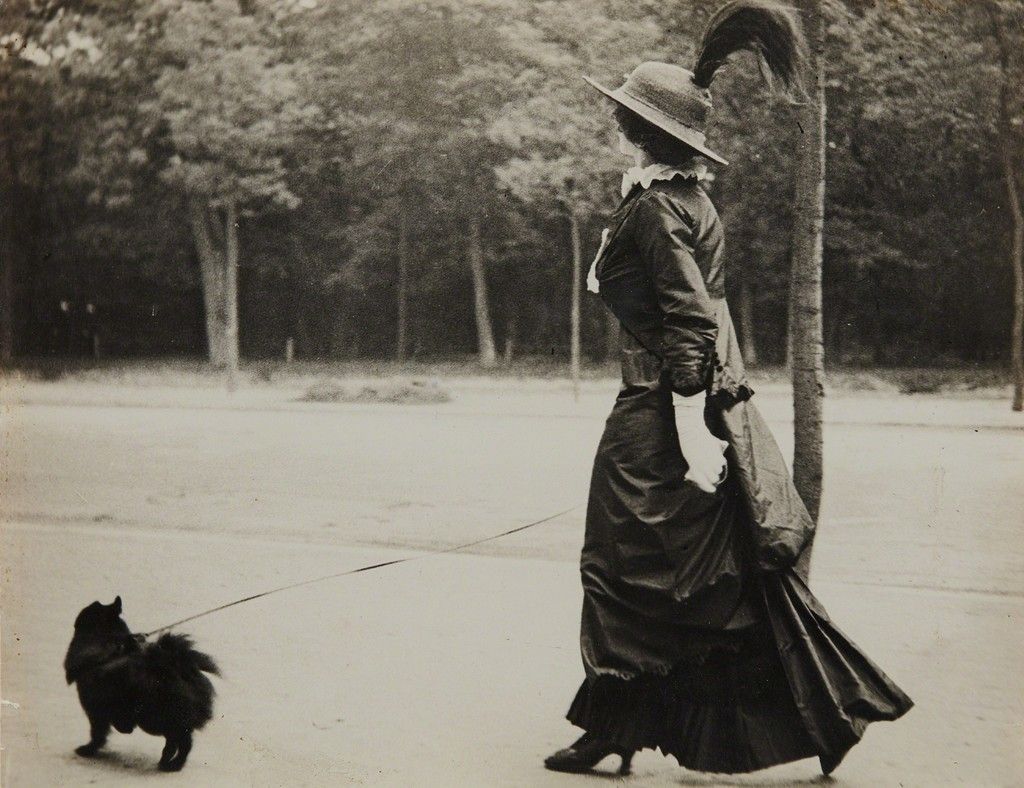
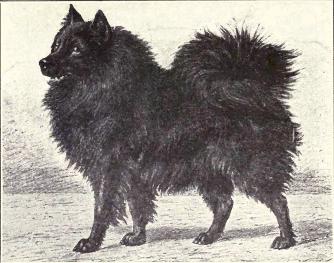
The Pomeranian (often known as a Pom) is a breed of dog of the Spitz type that is named for the Pomerania region in north-west Poland and north-east Germany in Central Europe. Classed as a toy dog breed because of its small size, the Pomeranian is descended from larger Spitz-type dogs, specifically the German Spitz.


The Pomeranian, a favorite of royals and commoners alike, has been called the ideal companion. The glorious coat, smiling, foxy face, and vivacious personality.

Characteristic of the Pomeranian

Adaptability ⭐⭐⭐⭐⭐
Appearance ⭐⭐⭐⭐⭐
Dangerous ⭐⭐⭐⭐⭐
Energy ⭐⭐⭐⭐⭐
Exercise needed ⭐⭐⭐⭐⭐
Health ⭐⭐⭐⭐⭐
Intelligence ⭐⭐⭐⭐⭐
Muscle and power ⭐⭐⭐⭐⭐
Loyalty ⭐⭐⭐⭐⭐
Rareness ⭐⭐⭐⭐⭐
Obedience ⭐⭐⭐⭐⭐
Personality ⭐⭐⭐⭐⭐
Temperament ⭐⭐⭐⭐⭐

History of the Pomeranian

The Pomeranian is considered to be descended from the German Spitz. The breed is thought to have acquired its name by association with the area known as Pomerania which is located in northern Poland and Germany along the Baltic Sea. Although not the origin of the breed, this area is credited with the breeding which led to the original Pomeranian type of dog. Proper documentation was lacking until the breed’s introduction into the United Kingdom.

"A man and a woman walking next to a wood with their white dog. The woman is dressed in a white 18th-century gown and a black hat, and the man is dressed in a black suit with white stockings."

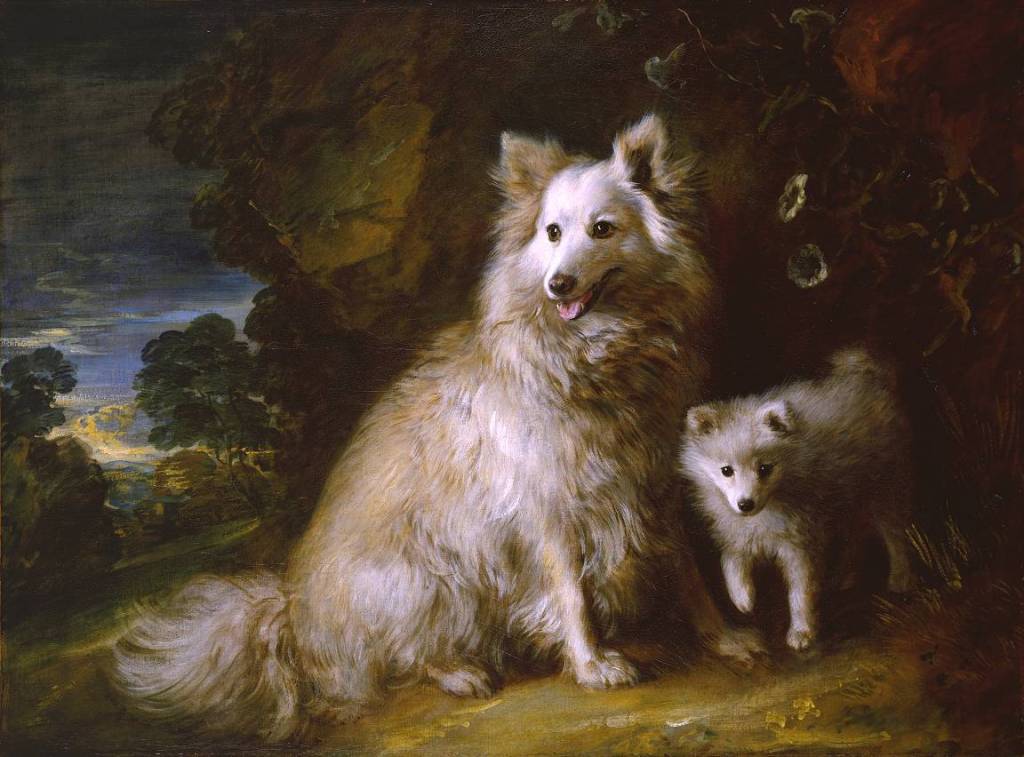
Portrait of Mr and Mrs William Hallett by Thomas Gainsborough, 1785. The painting features a larger type of Pomeranian than is now common.

An early modern recorded reference to the Pomeranian breed is from 2 November 1764, in a diary entry in James Boswell‘s Boswell on the Grand Tour: Germany and Switzerland. “The Frenchman had a Pomeranian dog named Pomer whom he was mighty fond of.” The offspring of a Pomeranian and a wolf bred by an animal merchant from London is discussed in Thomas Pennant‘s A Tour in Scotland from 1769.Two members of the British Royal Family influenced the evolution of the breed. In 1767, Queen CharlotteQueen-consort of King George III of Great Britain, brought two Pomeranians to England.

Named Phoebe and Mercury, the dogs were depicted in paintings by Sir Thomas Gainsborough. These paintings depicted a dog larger than the modern breed, reportedly weighing as much as 30–50 lb (14–23 kg), but showing modern traits such as the heavy coat, ears and a tail curled over the back.

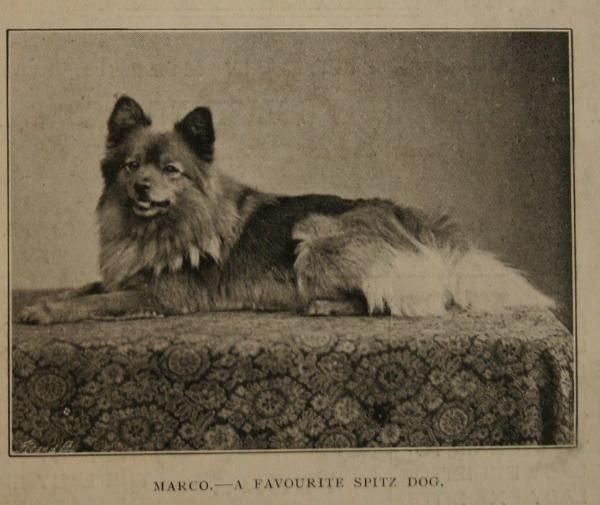
Queen Victoria, Queen Charlotte’s granddaughter, was also an enthusiast and established a large breeding kennel. One of her favoured dogs was a comparatively small red sable Pomeranian which she possibly named “Windsor’s Marco” and was reported to weigh only 12 lb (5.4 kg). When she first exhibited Marco in 1891, it caused the smaller-type Pomeranian to become immediately popular and breeders began selecting only the smaller specimens for breeding. During her lifetime, the size of the Pomeranian breed was reported to have decreased by 50%. Queen Victoria worked to improve and promote the Pomeranian breed by importing smaller Pomeranians of different colours from various European countries to add to her breeding program. Royal owners during this period also included Joséphine de Beauharnais, the wife of Napoleon I of France, and King George IV of the United Kingdom.

The first breed club was set up in England in 1891, and the first breed standard was written shortly afterwards.The first member of the breed was registered in the United States to the American Kennel Club in 1898, and it was recognized in 1900.

In 1912, two Pomeranians were among only three dogs to survive the sinking of RMS Titanic. A Pomeranian called “Lady”, owned by Miss Margaret Hays, escaped with her owner in lifeboat number seven, while Elizabeth Barrett Rothschild took her pet to safety with her in lifeboat number six.

Glen Rose Flashaway won the Toy Group at the Westminster Kennel Club Dog Show in 1926, the first Pomeranian to win a group at Westminster. It would take until 1988 for the first Pomeranian, “Great Elms Prince Charming II”, to win the Best in Show prize from the Westminster Kennel Club.In the standard published in 1998, the Pomeranian is included in the German Spitz standard, along with the Keeshond, by the Fédération Cynologique Internationale.According to the standard “Spitz breeds are captivating” and have a “unique characteristic, cheeky appearance.” Via Wikipedia

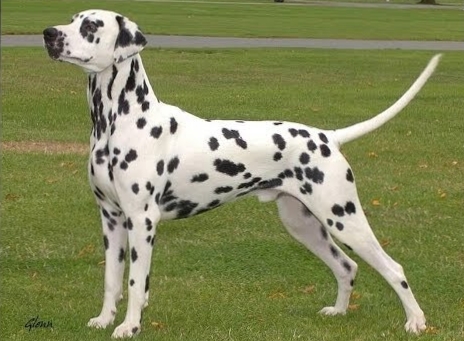
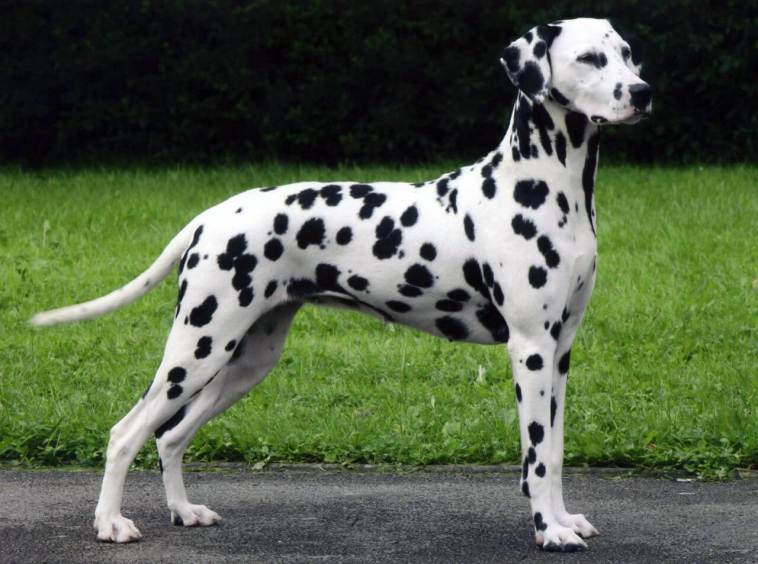
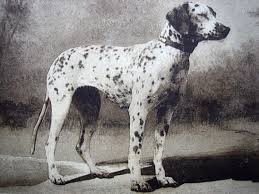
Dalmatian

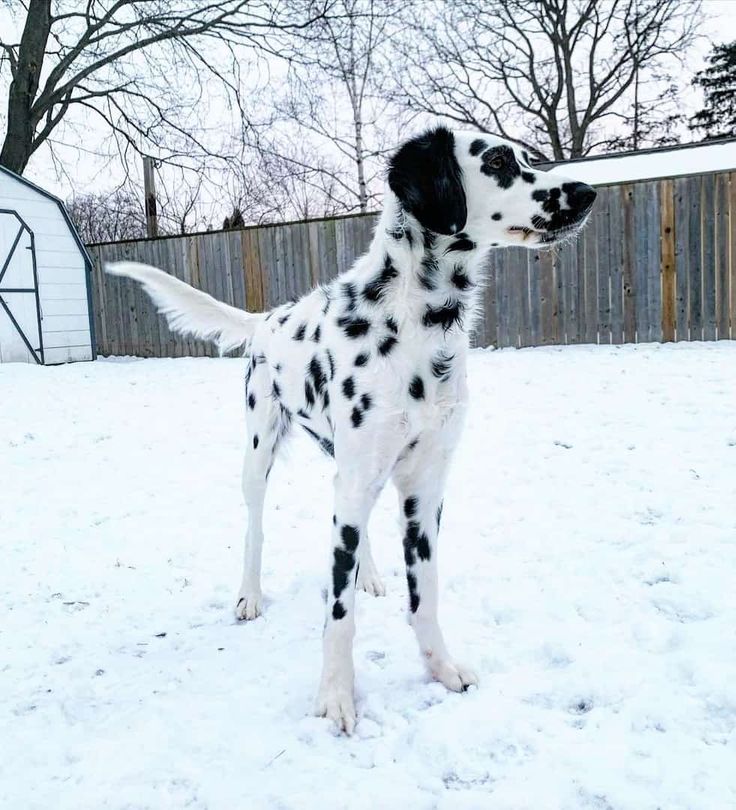
The Dalmatian is a breed of medium-sized dog, noted for its unique white coat marked with black or brown-colored spots. Originating as a hunting dog, it was also used as a carriage dog in its early days. The origins of this breed can be traced back to present-day Croatia and its historical region of Dalmatia.

It is thought that early ancestors of the breed were certain breeds of pointers and a spotted Great Dane. Today, it is a popular family pet and many dog enthusiasts enter Dalmatians into kennel club competitions.

Characteristic of the Dalmatian

Adaptability ⭐⭐⭐⭐⭐
Appearance ⭐⭐⭐⭐⭐
Dangerous ⭐⭐⭐⭐⭐
Energy ⭐⭐⭐⭐⭐
Exercise needed ⭐⭐⭐⭐⭐
Health⭐⭐⭐⭐⭐
Intelligence ⭐⭐⭐⭐⭐
Muscle and power ⭐⭐⭐⭐⭐
Loyalty ⭐⭐⭐⭐⭐
Rareness ⭐⭐⭐⭐⭐
Obedience ⭐⭐⭐⭐⭐
Personality ⭐⭐⭐⭐⭐
Temperament ⭐⭐⭐⭐⭐

History of the dalmatian

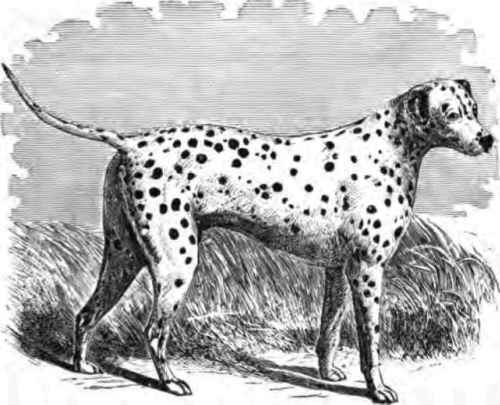
The first known written information about Dalmatian dog is from 1374, when Bishop of Đakovo, Peter mentions hunting dog from Croatia, mostly from Dalmatia with short white hair and black round spots on various parts of the body, and he called him Canis Dalmaticus. The first illustrations of the dog have been found in Croatia: an altar painting in Veli Lošinj dating to 1600–1630, and a fresco in Zaostrog. The first documented descriptions of the Dalmatian (Croatian: Dalmatinski pas, Dalmatiner, Dalmatinac) trace back to the early 18th century and the archives of the Archdiocese of Đakovo, where the dog was mentioned and described as Canis Dalmaticus in the church chronicles from 1719 by Bishop Petar Bakić and then again by church chronicles of Andreas Keczkeméty in 1739.In 1771, Thomas Pennant described the breed in his book Synopsis of Quadrupeds, writing that the origin of the breed is from Dalmatia; he referred to it as Dalmatian. The book by Thomas Bewick, A General History of Quadrupeds, published in 1790 refers to the breed as Dalmatian or Coach Dog.


During the Regency period, the Dalmatian became a status symbol trotting alongside the horse-drawn carriages and those with decorative spotting were highly prized. For this reason, the breed earned the epithet ‘the Spotted Coach Dog.’ The breed was also used to guard the stables at night.

The breed had been developed and cultivated chiefly in England. The first unofficial standard for the breed was introduced by Englishman Vero Shaw in 1882. In 1890 with the formation of the first Dalmatian Club in England, the standard became official.When the dog with the distinctive markings was first shown in England in 1862, it was said to have been used as a guard dog and companion to the nomads of Dalmatia. The breed’s unique coat became popular and widely distributed over the continent of Europe beginning in 1920. Its unusual markings were often mentioned by the old writers on cynology.

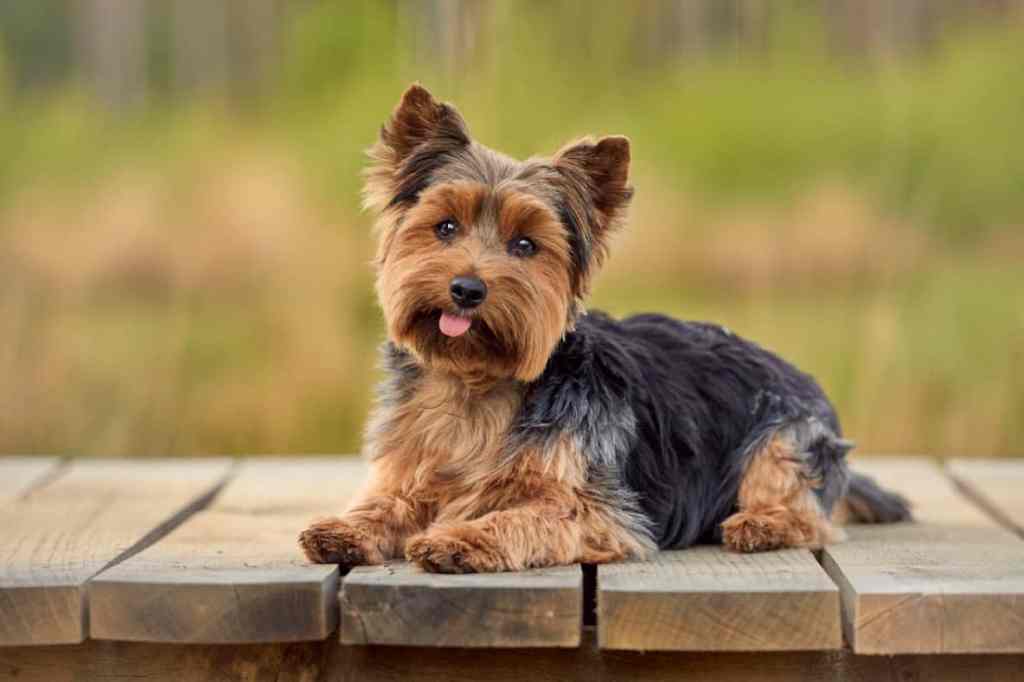
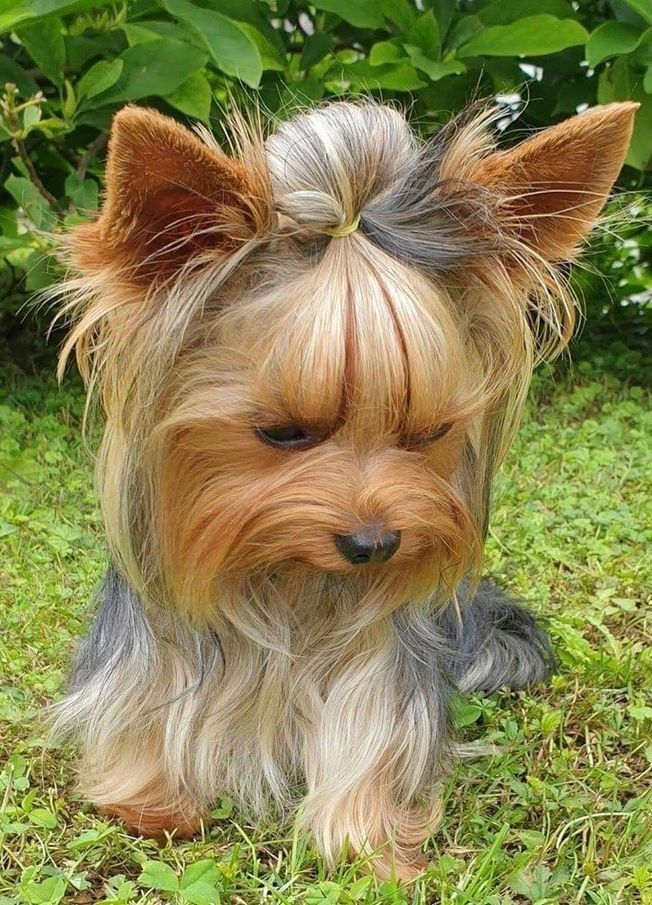
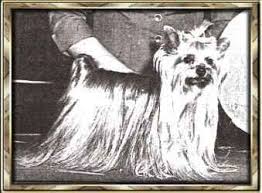
Yorkshire terrier

The Yorkshire Terrier is one of the smallest dog breeds of the terrier type, and of any dog breed. The breed developed during the 19th century in Yorkshire, England. Ideally its maximum size is 7 pounds. 

Characteristic of the Yorkshire terrier

Adaptability ⭐⭐⭐⭐⭐
Appearance ⭐⭐⭐⭐⭐
Dangerous ⭐⭐⭐⭐⭐
Energy ⭐⭐⭐⭐⭐
Exercise needed ⭐⭐⭐⭐⭐
Health ⭐⭐⭐⭐⭐
Intelligence ⭐⭐⭐⭐⭐
Muscle and power⭐⭐⭐⭐⭐
Loyalty ⭐⭐⭐⭐⭐
Rareness ⭐⭐⭐⭐⭐
Obedience ⭐⭐⭐⭐⭐
Personality ⭐⭐⭐⭐⭐
Trainability ⭐⭐⭐⭐⭐

History of the Yorkshire terrier

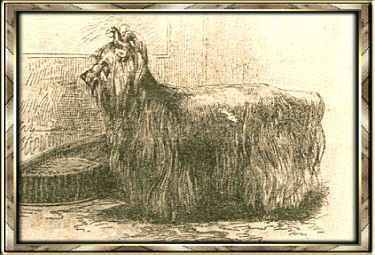
The Yorkshire Terrier originated in Yorkshire. In the mid-19th century, workers from Scotland came to Yorkshire in search of work and brought with them several varieties of terrier. Breeding of the Yorkshire terrier was “principally accomplished by the people—mostly operatives in cotton and woollen mills—in the counties of Yorkshire and Lancashire.” In the 1800s, miners wanting to develop a ratting terrier, bred Black-and-Tan Terriers with the Paisley and Clydesdale Terriers. Details are scarce. Mrs A. Foster is quoted as saying in 1886, “If we consider that the mill operatives who originated the breed were nearly all ignorant men, unaccustomed to imparting information for public use, we may see some reason why reliable facts have not been easily attained.

The breed comes from three distinct dogs, a male named Old Crab, a female named Kitty, and another female whose name is not known. The Paisley Terrier, a smaller version of the Skye Terrier that was bred for a beautiful long silky coat, also figured into the early dogs. Some authorities believed that the Maltese was used as well. “They were all originally bred from Scotch Terriers (meaning dogs from Scotland, not today’s Scottish Terrier) and shown as such the name Yorkshire Terrier was given to them on account of their being improved so much in Yorkshire.” Yorkshire Terriers were shown in a dog show category (class) at the time called “Rough and Broken-coated, Broken-haired Scotch and Yorkshire Terriers”. Hugh Dalziel, writing in 1878, says that “the classification of these dogs at shows and in the Kennel Club Stud Book is confusing and absurd” in lumping together these different types.

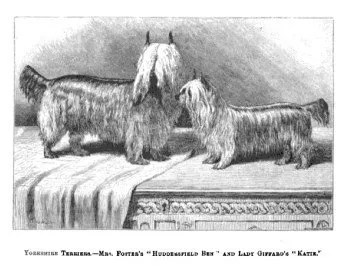
In the early days of the breed, “almost anything in the shape of a Terrier having a long coat with blue on the body and fawn or silver coloured head and legs, with tail docked and ears trimmed, was received and admired as a Yorkshire Terrier”.But in the late 1860s, a popular Paisley-type Yorkshire Terrier show dog named Huddersfield Ben, owned by a woman living in Yorkshire, Mary Ann Foster, was seen at dog shows throughout Great Britain, and defined the breed type for the Yorkshire Terrier.

Huddersfield Ben

He was a Yorkshire Terrier whose portrait was painted by George Earl and in 1891 an authority on breed wrote, “Huddersfield Ben was the best stud dog of his breed during his lifetime, and one of the most remarkable dogs of any pet breed that ever lived; and most of the show specimens of the present day have one or more crosses of his blood in their pedigree.” A show winner, Huddersfield Ben, through his puppies, helped define the Yorkshire Terrier breed. He is still referred to as “father of the breed.”

In North America

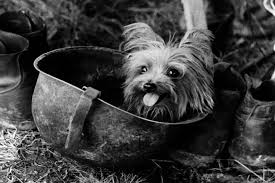
The Yorkshire Terrier was introduced in North America in 1872 and the first Yorkshire Terrier was registered with the American Kennel Club (AKC) in 1885. During the Victorian era, the Yorkshire Terrier was a popular pet, and show dog in England, and as Americans embraced Victorian customs, so too did they embrace the Yorkshire Terrier. The breed’s popularity dipped in the 1940s, when the percentage of small breed dogs registered fell to an all-time low of 18% of total registrations. Smoky, a Yorkshire Terrier and famous war dog from World War II, is credited with beginning a renewal of interest in the breed. The AKC ranked the Yorkshire Terrier as the 6th most popular purebred in the United States in 2012 and 2013.

Design a site like this with WordPress.com
Get started