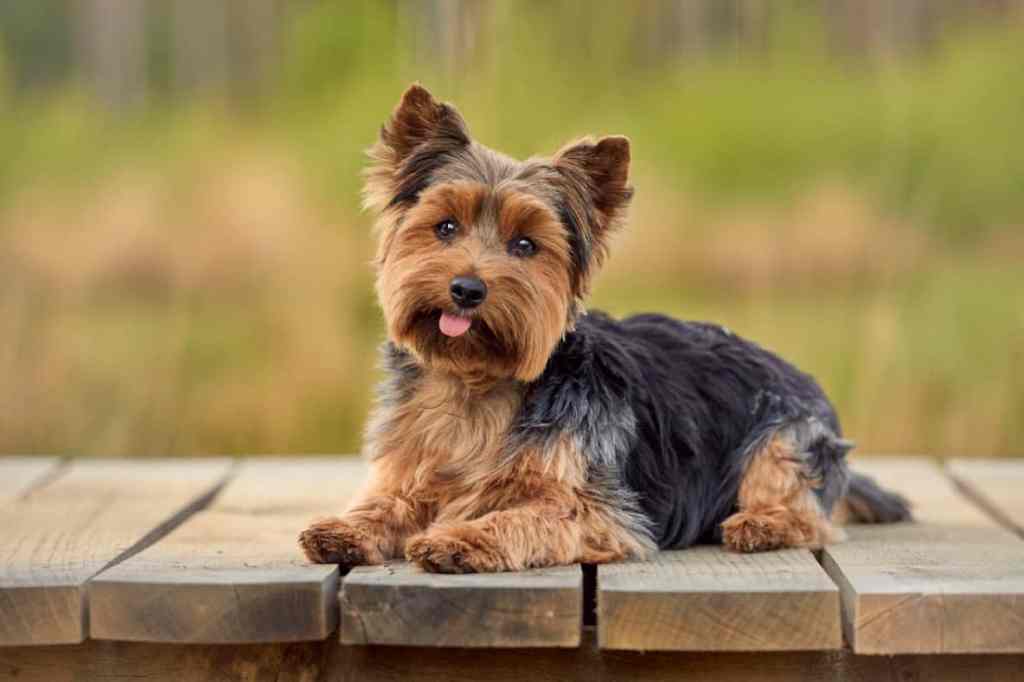
The Yorkshire Terrier is one of the smallest dog breeds of the terrier type, and of any dog breed. The breed developed during the 19th century in Yorkshire, England. Ideally its maximum size is 7 pounds.
Characteristic of the Yorkshire terrier
| Adaptability | ⭐⭐⭐⭐⭐ |
| Appearance | ⭐⭐⭐⭐⭐ |
| Dangerous | ⭐⭐⭐⭐⭐ |
| Energy | ⭐⭐⭐⭐⭐ |
| Exercise needed | ⭐⭐⭐⭐⭐ |
| Health | ⭐⭐⭐⭐⭐ |
| Intelligence | ⭐⭐⭐⭐⭐ |
| Muscle and power | ⭐⭐⭐⭐⭐ |
| Loyalty | ⭐⭐⭐⭐⭐ |
| Rareness | ⭐⭐⭐⭐⭐ |
| Obedience | ⭐⭐⭐⭐⭐ |
| Personality | ⭐⭐⭐⭐⭐ |
| Trainability | ⭐⭐⭐⭐⭐ |
History of the Yorkshire terrier
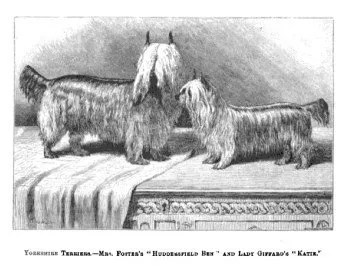
The Yorkshire Terrier originated in Yorkshire. In the mid-19th century, workers from Scotland came to Yorkshire in search of work and brought with them several varieties of terrier. Breeding of the Yorkshire terrier was “principally accomplished by the people—mostly operatives in cotton and woollen mills—in the counties of Yorkshire and Lancashire.” In the 1800s, miners wanting to develop a ratting terrier, bred Black-and-Tan Terriers with the Paisley and Clydesdale Terriers. Details are scarce. Mrs A. Foster is quoted as saying in 1886, “If we consider that the mill operatives who originated the breed were nearly all ignorant men, unaccustomed to imparting information for public use, we may see some reason why reliable facts have not been easily attained.
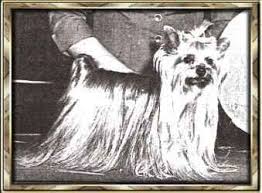
The breed comes from three distinct dogs, a male named Old Crab, a female named Kitty, and another female whose name is not known. The Paisley Terrier, a smaller version of the Skye Terrier that was bred for a beautiful long silky coat, also figured into the early dogs. Some authorities believed that the Maltese was used as well. “They were all originally bred from Scotch Terriers (meaning dogs from Scotland, not today’s Scottish Terrier) and shown as such the name Yorkshire Terrier was given to them on account of their being improved so much in Yorkshire.” Yorkshire Terriers were shown in a dog show category (class) at the time called “Rough and Broken-coated, Broken-haired Scotch and Yorkshire Terriers”. Hugh Dalziel, writing in 1878, says that “the classification of these dogs at shows and in the Kennel Club Stud Book is confusing and absurd” in lumping together these different types.
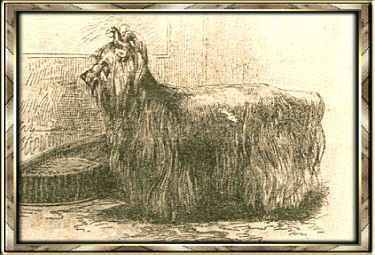
In the early days of the breed, “almost anything in the shape of a Terrier having a long coat with blue on the body and fawn or silver coloured head and legs, with tail docked and ears trimmed, was received and admired as a Yorkshire Terrier”.But in the late 1860s, a popular Paisley-type Yorkshire Terrier show dog named Huddersfield Ben, owned by a woman living in Yorkshire, Mary Ann Foster, was seen at dog shows throughout Great Britain, and defined the breed type for the Yorkshire Terrier.
Huddersfield Ben
He was a Yorkshire Terrier whose portrait was painted by George Earl and in 1891 an authority on breed wrote, “Huddersfield Ben was the best stud dog of his breed during his lifetime, and one of the most remarkable dogs of any pet breed that ever lived; and most of the show specimens of the present day have one or more crosses of his blood in their pedigree.” A show winner, Huddersfield Ben, through his puppies, helped define the Yorkshire Terrier breed. He is still referred to as “father of the breed.”
In North America
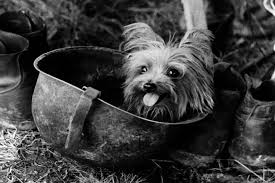
The Yorkshire Terrier was introduced in North America in 1872 and the first Yorkshire Terrier was registered with the American Kennel Club (AKC) in 1885. During the Victorian era, the Yorkshire Terrier was a popular pet, and show dog in England, and as Americans embraced Victorian customs, so too did they embrace the Yorkshire Terrier. The breed’s popularity dipped in the 1940s, when the percentage of small breed dogs registered fell to an all-time low of 18% of total registrations. Smoky, a Yorkshire Terrier and famous war dog from World War II, is credited with beginning a renewal of interest in the breed. The AKC ranked the Yorkshire Terrier as the 6th most popular purebred in the United States in 2012 and 2013.
 doglover.data.blog