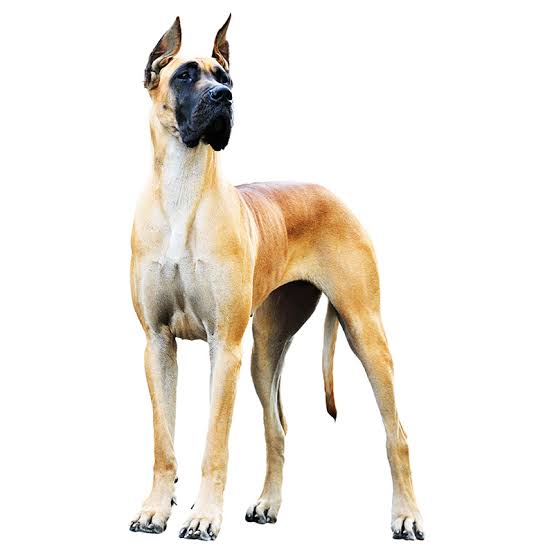
The Great Dane, also known as the German Mastiff or Deutsche Dogge, is a breed of dog from Germany. The Great Dane descends from hunting dogs known from the Middle Ages and is one of the largest breeds in the world.
Information and facts about the great dane
Other names: Deutsche Dogge; German Mastiff; German Boarhound
Facts
* These dogs are a cross between some of the greater dogs like mastiffs and greyhounds. They possess certain distinctive characteristics from their parent breeds, like strength and size. They are very large-sized breeds and require a good amount of training and care. Their coat colors range between fawn and brindle fawn.
* The great dane is classified in the (large dog breed) in America, but in the UK its classified in the (giant dog breed)
* Many people think that due to large size of Great Dane, they need to eat a huge amount of food. But, fact is that they only need about 2-3 cups of dry dog food per meal.
* The great dane grows very fast. A six year old puppy weights more than Many adult dogs today
* The great dane is a emotional sensitive creature. They don’t respond well with harsh training method
* It’s not hard to train a great dane to be a house dog
* Despite what most people think, Great Danes do not need much exercise, which makes them a good pet anywhere you decide to live. They also don’t bark much, which makes them ideal if you have close neighbors or live in an apartment.
* some people call them “gentle giants” and the “king of dogs”.
* Great Danes have 6 coat colors: Brindle, Fawn, Blue, Harlequin, Black, and Mantle
* The Great Dane has short hair therefore, brushing is quite easy.
* Great danes can be really fast, with their average speed reaching up to 30 mph (48.2 kmph). Their big size allows them to run at a faster pace.
* scientific name of the great dane is Canis lupus familiaris.
Characteristic of the great dane
| Adaptability | ⭐⭐⭐⭐⭐ |
| Appearance | ⭐⭐⭐⭐⭐ |
| Dangerous | ⭐⭐⭐⭐⭐ |
| Energy | ⭐⭐⭐⭐⭐ |
| Exercise needed | ⭐⭐⭐⭐⭐ |
| Health | ⭐⭐⭐⭐⭐ |
| Intelligence | ⭐⭐⭐⭐⭐ |
| Muscle and power | ⭐⭐⭐⭐⭐ |
| Loyalty | ⭐⭐⭐⭐⭐ |
| Rareness | ⭐⭐⭐⭐⭐ |
| Obedience | ⭐⭐⭐⭐⭐ |
| Personality | ⭐⭐⭐⭐⭐ |
| Temperament | ⭐⭐⭐⭐⭐ |
History of the great dane
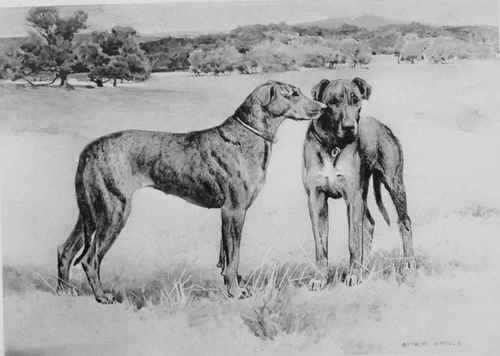
In the middle of the 16th century, the nobility in many countries of Europe imported strong, long-legged dogs from England, which were descended from crossbreeds between English Mastiffs and Irish Wolfhounds. They were dog hybrids in different sizes and phenotypes with no formal breed.These dogs were called Englische Docke or Englische Tocke – later written and spelled: Dogge – or Englischer Hund in Germany. The name simply meant “English dog”. Since then, the English word “dog” has come to be associated with a molossoid dog in Germany and France.These dogs were bred in the courts of German nobility, independent of the English methods, since the start of the 17th century.
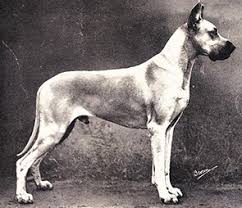
The dogs were used for hunting bear, boar, and deer at princely courts, with the favorites staying at night in the bedchambers of their lords. These Kammerhunde (chamber dogs) were outfitted with ornate collars, and helped protect the sleeping princes from assassins.
While hunting boar or bears, the Englische Dogge was a catch dog used after the other hunting dogs to seize the bear or boar and hold it in place until the huntsman was able to kill it. When the hunting customs changed, particularly because of the use of firearms, many of the involved dog types disappeared. The Englische Dogge became rare, and was kept only as a dog of hobby or luxury. In Austria and Germany the Molossian hound, the Suliot dog and other imports from Greece were used in the 18th century to increase the stature of the boarhounds.
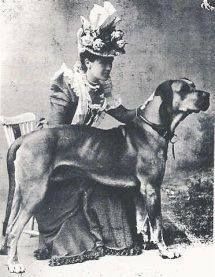
In 1878, a committee was formed in Berlin which changed the name of the “Englische Dogge” (English mastiff derivatives) to “Deutsche Dogge” (German mastiff), this being the Great Dane. This laid the foundations from which the breed was developed. During the 19th century, the dog was known as a “German boarhound” in English-speaking countries. Some German breeders tried to introduce the names “German Dogge” and “German Mastiff” on the English market, because they believed the breed should be marketed as a dog of luxury and not as a working dog. However, due to the increasing tensions between Germany and other countries, the dog later became referred to as a “Great Dane”, after the grand danois. in Buffon’s Histoire naturelle, générale et particulière in 1755.
 doglover.data.blog