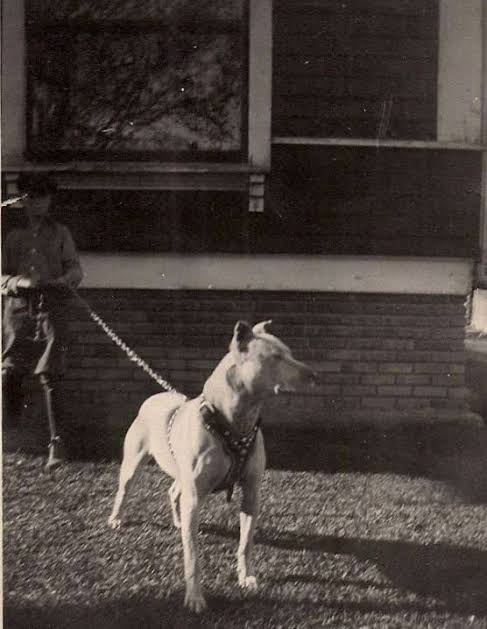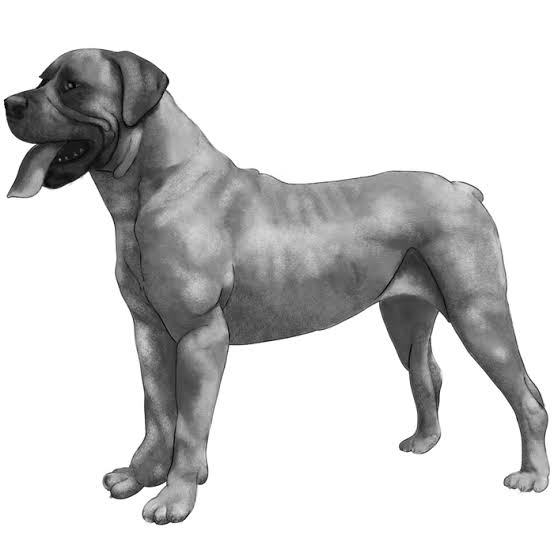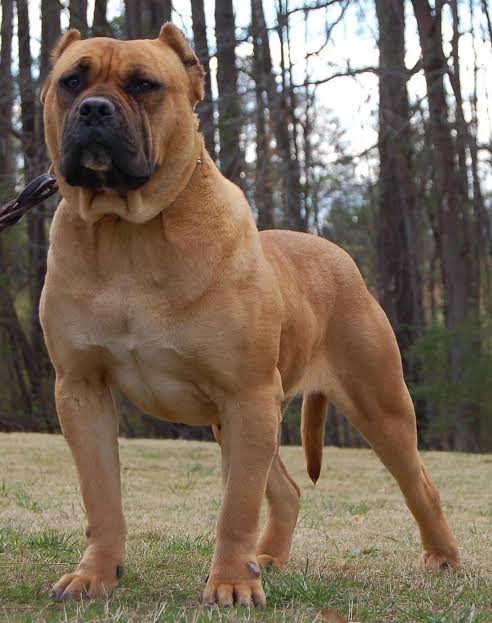
great dane

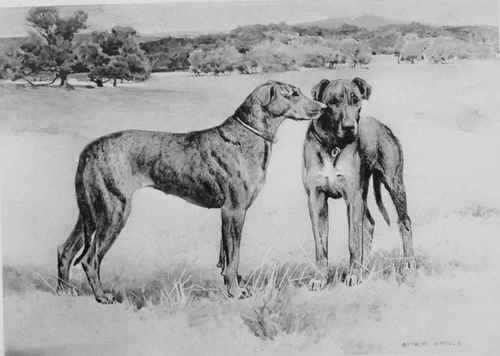
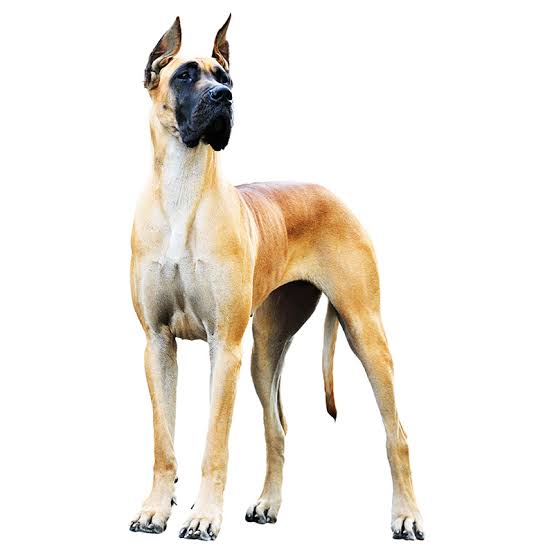
The Great Dane, also known as the German Mastiff or Deutsche Dogge, is a breed of dog from Germany. The Great Dane descends from hunting dogs known from the Middle Ages and is one of the largest breeds in the world.

Information and facts about the great dane

Other names: Deutsche Dogge; German Mastiff; German Boarhound

Facts

* These dogs are a cross between some of the greater dogs like mastiffs and greyhounds. They possess certain distinctive characteristics from their parent breeds, like strength and size. They are very large-sized breeds and require a good amount of training and care. Their coat colors range between fawn and brindle fawn.

* The great dane is classified in the (large dog breed) in America, but in the UK its classified in the (giant dog breed)

* Many people think that due to large size of Great Dane, they need to eat a huge amount of food. But, fact is that they only need about 2-3 cups of dry dog food per meal.

* The great dane grows very fast. A six year old puppy weights more than Many adult dogs today

* The great dane is a emotional sensitive creature. They don’t respond well with harsh training method

* It’s not hard to train a great dane to be a house dog

* Despite what most people think, Great Danes do not need much exercise, which makes them a good pet anywhere you decide to live.   They also don’t bark much, which makes them ideal if you have close neighbors or live in an apartment.

* some people call them “gentle giants” and the “king of dogs”.

* Great Danes have 6 coat colors: Brindle, Fawn, Blue, Harlequin, Black, and Mantle

* The Great Dane has short hair therefore, brushing is quite easy.

* Great danes can be really fast, with their average speed reaching up to 30 mph (48.2 kmph). Their big size allows them to run at a faster pace.

* scientific name of the great dane is Canis lupus familiaris.

Characteristic of the great dane

Adaptability ⭐⭐⭐⭐⭐
Appearance ⭐⭐⭐⭐⭐
Dangerous ⭐⭐⭐⭐⭐
Energy ⭐⭐⭐⭐⭐
Exercise needed ⭐⭐⭐⭐⭐
Health ⭐⭐⭐⭐⭐
Intelligence ⭐⭐⭐⭐⭐
Muscle and power ⭐⭐⭐⭐⭐
Loyalty ⭐⭐⭐⭐⭐
Rareness ⭐⭐⭐⭐⭐
Obedience ⭐⭐⭐⭐⭐
Personality ⭐⭐⭐⭐⭐
Temperament ⭐⭐⭐⭐⭐

History of the great dane

In the middle of the 16th century, the nobility in many countries of Europe imported strong, long-legged dogs from England, which were descended from crossbreeds between English Mastiffs and Irish Wolfhounds. They were dog hybrids in different sizes and phenotypes with no formal breed.These dogs were called Englische Docke or Englische Tocke – later written and spelled: Dogge – or Englischer Hund in Germany. The name simply meant “English dog”. Since then, the English word “dog” has come to be associated with a molossoid dog in Germany and France.These dogs were bred in the courts of German nobility, independent of the English methods, since the start of the 17th century.
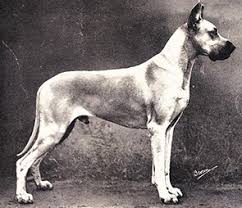
The dogs were used for hunting bear, boar, and deer at princely courts, with the favorites staying at night in the bedchambers of their lords. These Kammerhunde (chamber dogs) were outfitted with ornate collars, and helped protect the sleeping princes from assassins.

While hunting boar or bears, the Englische Dogge was a catch dog used after the other hunting dogs to seize the bear or boar and hold it in place until the huntsman was able to kill it. When the hunting customs changed, particularly because of the use of firearms, many of the involved dog types disappeared. The Englische Dogge became rare, and was kept only as a dog of hobby or luxury. In Austria and Germany the Molossian hound, the Suliot dog and other imports from Greece were used in the 18th century to increase the stature of the boarhounds.
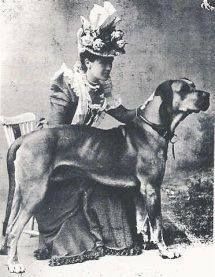
In 1878, a committee was formed in Berlin which changed the name of the “Englische Dogge” (English mastiff derivatives) to “Deutsche Dogge” (German mastiff), this being the Great Dane. This laid the foundations from which the breed was developed. During the 19th century, the dog was known as a “German boarhound” in English-speaking countries. Some German breeders tried to introduce the names “German Dogge” and “German Mastiff” on the English market, because they believed the breed should be marketed as a dog of luxury and not as a working dog. However, due to the increasing tensions between Germany and other countries, the dog later became referred to as a “Great Dane”, after the grand danois. in Buffon’s Histoire naturelle, générale et particulière in 1755.
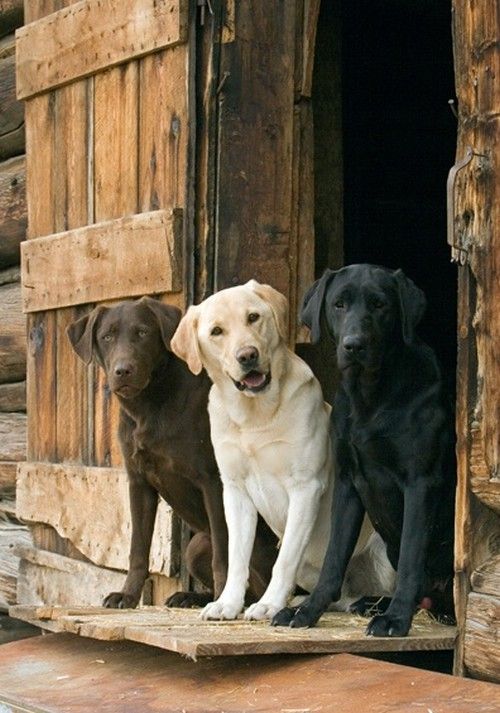
Labrador retriever

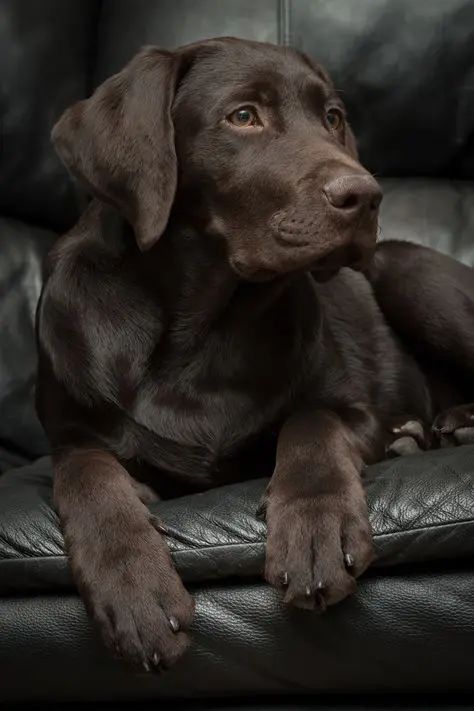
The Labrador Retriever or Labrador is a British breed of retriever gun dog. It was developed in the United Kingdom from fishing dogs imported from the independent colony of Newfoundland (now part of Canada), and was named for the Labrador region of that colony. It is among the most commonly kept dogs in several countries, particularly in the Western world.
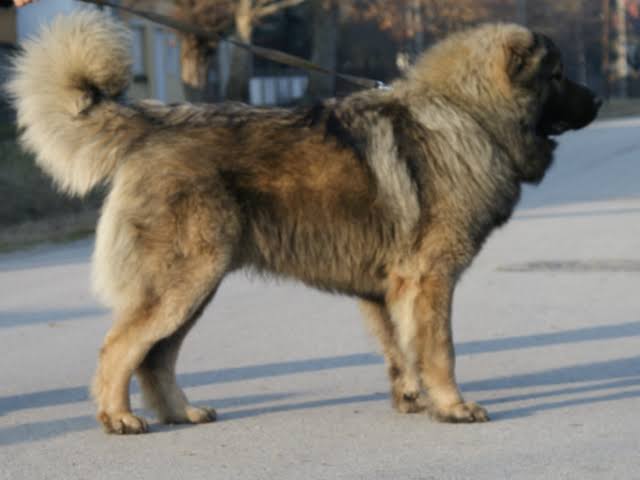
Other names
Origin
Types of Labrador retrievers
Colour
Patterns
Height
Wheight
Life expectancy
Produce

Characteristic of the Labrador retriever

Adaptability ⭐⭐⭐⭐⭐
Appearance ⭐⭐⭐⭐⭐
Dangerous ⭐⭐⭐⭐⭐
Energy ⭐⭐⭐⭐⭐
Exercise needed ⭐⭐⭐⭐⭐
Health ⭐⭐⭐⭐⭐
Intelligence ⭐⭐⭐⭐⭐
Muscle and power ⭐⭐⭐⭐⭐
Loyalty ⭐⭐⭐⭐⭐
Rareness ⭐⭐⭐⭐⭐
Obedience ⭐⭐⭐⭐⭐
Personality ⭐⭐⭐⭐⭐
Temperament ⭐⭐⭐⭐⭐

History of the labrador retriever

The Labrador breed dates back to at least the 1830s, when St. John’s Water Dogs bred by European settlers in Newfoundland, were first introduced to Britain from ships trading between Canada and Poole in Dorsetshire. These were then bred with British hunting dogs to create what became known as the Labrador Retriever. Its early patrons included the Earl of Malmesbury, the Duke of Buccleuch, the Earl of Home, and Sir John Scott. Early writers have confused the Labrador with the much larger Newfoundland and the Lesser Newfoundland, with Charles St. John even referring to the Lesser Newfoundland as the Newfoundland. Colonel Peter Hawker describes the first Labrador as being not larger than an English Pointer, more often black than other colours, long in its head and nose with a deep chest, fine legs, and short and smooth coat, and did not carry its tail as highly as the Newfoundland. Hawker distinguishes the Newfoundland from both the “proper Labrador” and St. John’s breed of these dogs in the fifth edition of his book Introductions to Young Sportsman, published in 1846.

Nell


The first photograph of the breed was taken in 1857 (the Earl of Home’s dog “Nell”, described both as a Labrador and a St. John’s water dog). By 1870, the name Labrador Retriever became common in England. The first yellow Labrador on record was born in 1899 (Ben of Hyde, kennels of Major C.J. Radclyffe), and the breed was recognised by the Kennel Club in 1903. The first American Kennel Club (AKC) registration was in 1917. The Liver (now typically called Chocolate) Labrador emerged in the late 1800s, with liver-coloured pups documented at the Buccleuch kennels in 1892. The first dog to appear on the cover of Life magazine was a black Labrador Retriever called “Blind of Arden” in the 12 December 1938 issue.

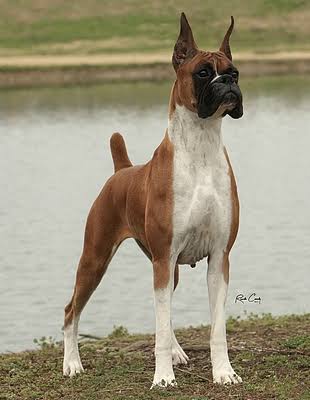
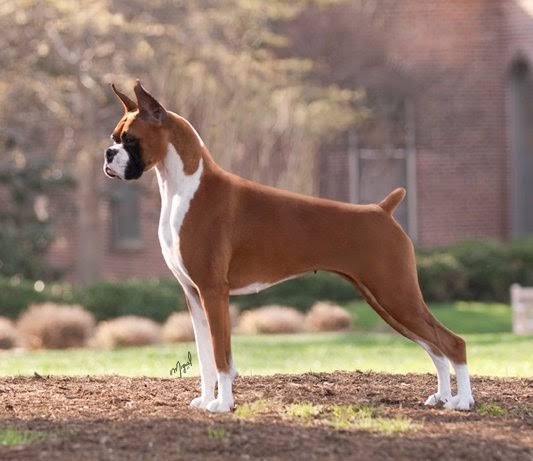
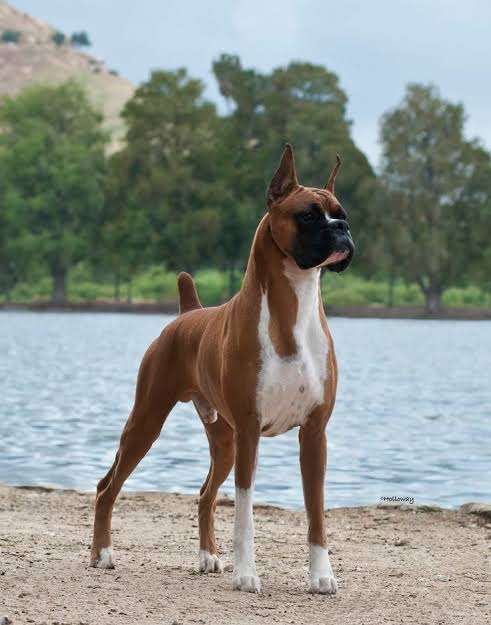
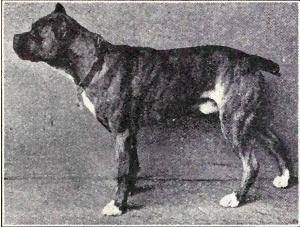
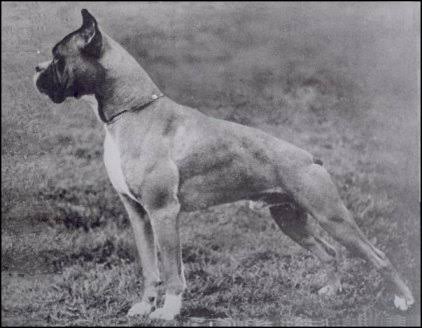
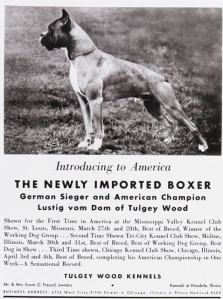
Boxer

-The Boxer is a medium to large, short-haired breed of dog, developed in Germany. The coat is smooth and tight-fitting; colors are fawn, brindled, or white, with or without white markings

Other names
Origin
Types of Boxers
Colour
Pattern
Height
Weight
Life expectancy
Produce

The Boxer has Loyalty, affection, intelligence, work ethic, and good looks. Bright and alert,always courageous, the Boxer has been among America’s most popular dog breeds for a very long time.They take the jobs of watchdog and family guardian seriously and will meet threats fearlessly. Boxers do best when exposed to a lot of people and other animals in early puppyhood.

Characteristic of the Boxer

Adaptability ⭐⭐⭐⭐⭐
Appearance ⭐⭐⭐⭐⭐
Dangerous ⭐⭐⭐⭐⭐
Energy ⭐⭐⭐⭐⭐
Exercise needed ⭐⭐⭐⭐⭐
Intelligence ⭐⭐⭐⭐⭐
Health ⭐⭐⭐⭐⭐
Muscle and power ⭐⭐⭐⭐⭐
Loyalty ⭐⭐⭐⭐⭐
Rareness ⭐⭐⭐⭐⭐
Personality ⭐⭐⭐⭐⭐
Obedience ⭐⭐⭐⭐⭐
Temperament ⭐⭐⭐⭐⭐

History of the Boxer

The Boxer’s ancestors, the war dogs of the Assyrian empire, go back as far as 2,500 B.C. But what we think of today as a Boxer can be traced to Germany of the late 1800s and early 20th century. The breed is thought to have been bred down by German dog fanciers from a larger, heavier German breed called the Bullenbeisser (“bull biter”).

In medieval times the Bullenbeisser was Germany’s premier big-game hunter, used by noblemen to run down, catch, and hold such formidable opponents as bear, bison, and wild boar on vast ducal estates. By the early 1800s, the political situation in the German states was changing. German nobles were out of favor. Their estates were broken up, and the cherished tradition of lavishly appointed boar hunts came to an end. By 1865, the mighty Bullenbeisser was out of a job.

Through judicious crosses to a smaller, mastiff-type breed from England, the obsolete big-game hunter gained a new lease on life. By the late 1800s, the modern Boxer—a sleeker, more elegant dog—had come into focus. (The English name Boxer refers to the way the breed spars, like a prizefighter, with their front paws when playing or defending themselves.)

Over the years, Boxers have done many jobs: athlete, cattle dog, police dog, war dog (in both world wars), watchdog, protection dog, and guide dog for the blind. The AKC registered its first Boxer in 1904, but the breed’s U.S. heyday began in the 1950s, when a Westminster-winning Boxer named Bang Away became a national celebrity. Since that time, Boxers have reigned as one of America’s top 10 most popular breeds.

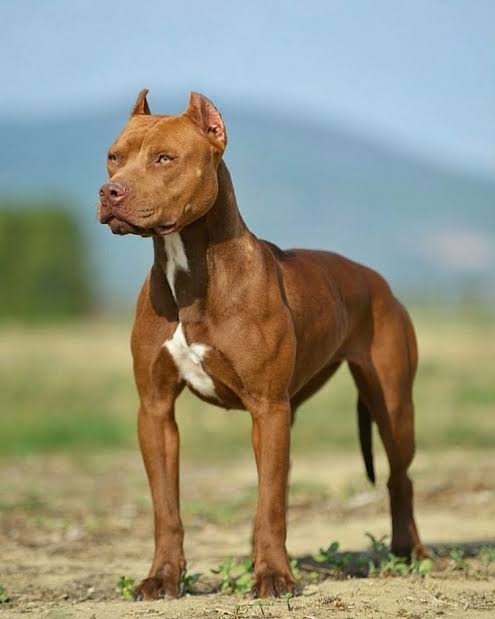
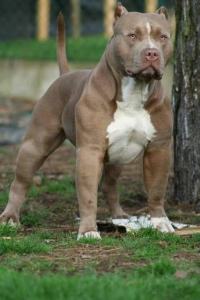
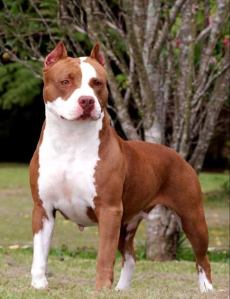
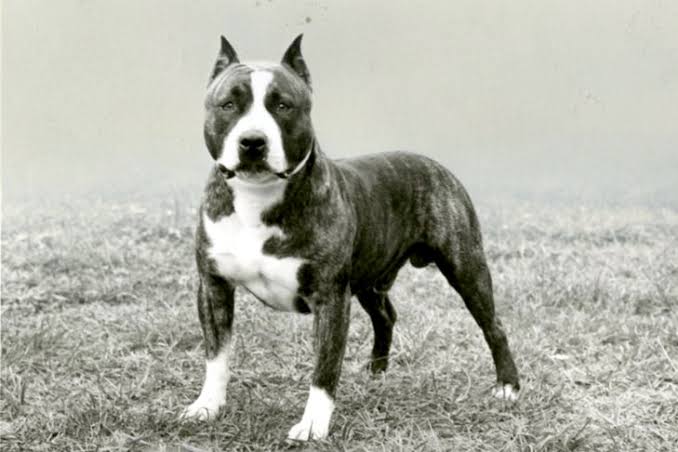
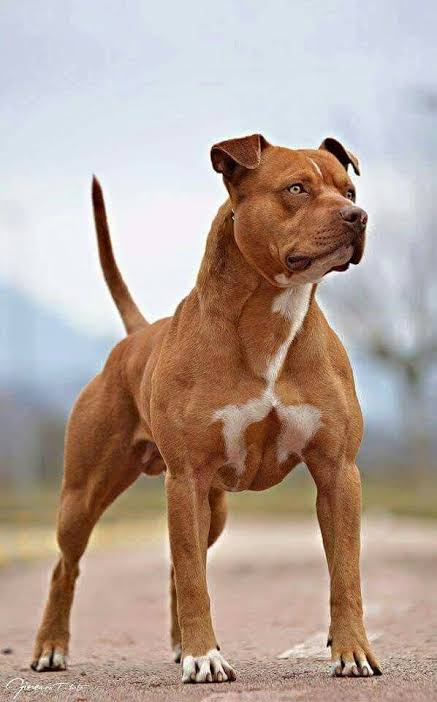
American Pit Bull Terrier

The American pit bull is strong and stocky, probably packing more muscles per pound of body weight than any other breed.

Other names
Origin
Types of pit bulls
Colour
Pattern
Height
Wheight
Life expectancy
Produce

The American Pit Bull Terrier is a dog breed recognized by the United Kennel Club and the American Dog Breeders Association, but not the American Kennel Club. It is a medium-sized, intelligent, short-haired dog, of a solid build, whose early ancestors came from the British Isles. 

countries that  have some regulations or bans on the pit bull terrier :

  • Belgium
  • Brazil
  • Denmark
  • Finland
  • France
  • Canada
  • The Netherlands
  • New Zealand

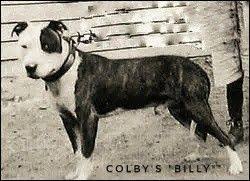
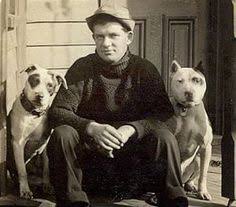
History of the American pit bull terrier

The history of the Pit Bull can be traced back to the early 1800’s in the United Kingdom. Pit Bulls were originally bred from Old English Bulldogs (these dogs are similar in appearance to today’s American Bulldog) who gained their popularity on the British Isles in a cruel blood sport known as “bull baiting”.One to two Bulldogs were set to harass a bull for hours until the animal collapsed from fatigue, injuries or both. These matches were held for the entertainment of the struggling classes; a source of relief from the tedium of hardship.

However, in 1835 the British Parliament enacted the Cruelty to Animals Act 1835, which prohibited the baiting of some animals such as the bull and bear. Once bull and bear baiting was outlawed, the public turned their attention to “ratting”. This practice pitted dogs against rats in which they were timed to see whose dog would kill the most rats in the least amount of time. The “pit” in Pit Bull comes from ratting as the rats were placed into a pit so that they could not escape. Ultimately, the public turned their eyes upon dog fighting as it was more easily hidden from view and thus the law. Ratting and dogfighting both required more agility and speed on the part of the dog, so Bulldogs were crossed with Terriers “Bull and Terriers”, more commonly known as the first Pit Bull Terrier.

It is believed all dogs that are now classified as pit bulls descend from the British bull and terrier, which were first imported into North America in the 1870s.

The bull and the Terrier :

The bull-and-terrier was a type of dog developed in the United Kingdom in the early 19th century for the blood sports of dog fighting and rat baiting, it was created by crossing the ferocious, thickly muscled Old English Bulldog with the agile, lithe, feisty Black and Tan Terrier.
In the 1890s breeders of American pit bull-type dogs attempted to have their dogs recognised by the American Kennel Club, but because of the type’s association with dogfighting, the club rejected these entreaties. Following this rejection, in 1898 breeders of American Pit Bull Terriers established a rival kennel club, the United Kennel Club. In addition to being a breed registry, the United Kennel Club also regulated dogfights. In the 1930s the American Kennel Club was faced with a dilemma, whilst not wishing to condone dogfighting there was a desire to recognise a uniquely American dog breed for which over 30 years of breed records existed. The solution was to recognise Pit Bull Terriers under a different name and prohibit these dogs from being used in organised fights and in 1935 the American Kennel Club recognised Pit Bull Terriers as Staffordshire Terriers.

The aggressive Old English Bulldog, which was bred for bear and bull baiting, was often also pitted against its own kind in organised dog fights, but it was found that lighter, faster dogs were better suited to dogfighting than the heavier Bulldog.

Characteristic of the pitbull terrier

Adaptability ⭐⭐⭐⭐⭐
Appearance ⭐⭐⭐⭐⭐
Dangerous ⭐⭐⭐⭐⭐
Energy ⭐⭐⭐⭐⭐
Exercise needed ⭐⭐⭐⭐⭐
Health ⭐⭐⭐⭐⭐
Intelligence ⭐⭐⭐⭐⭐
Muscle and Power ⭐⭐⭐⭐⭐
Loyal⭐⭐⭐⭐⭐
Rareness ⭐⭐⭐⭐⭐
Obedience ⭐⭐⭐⭐⭐
Personality ⭐⭐⭐⭐⭐
Temperament ⭐⭐⭐⭐⭐

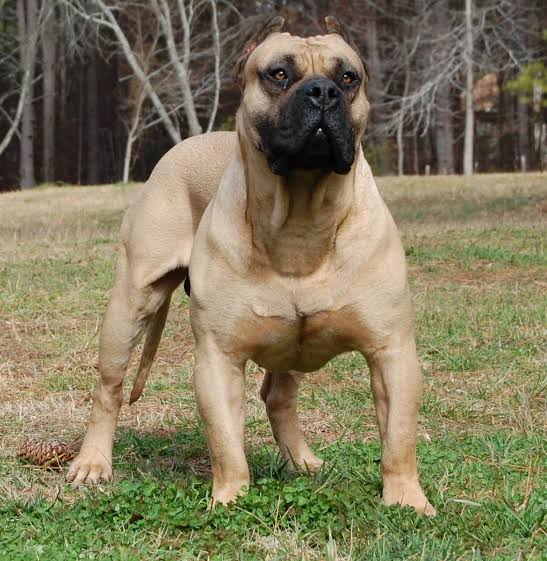
Cane corso

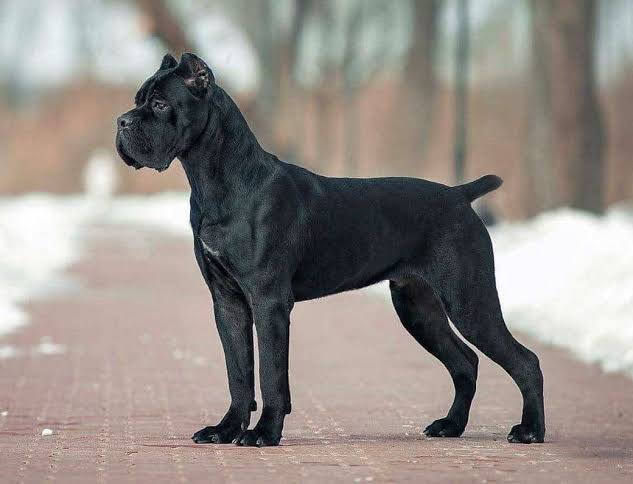
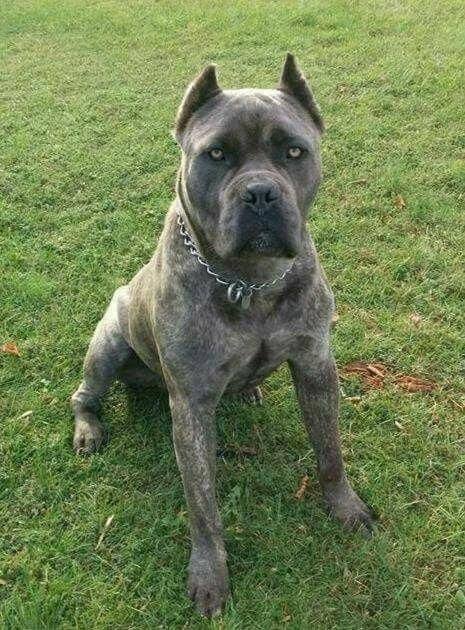
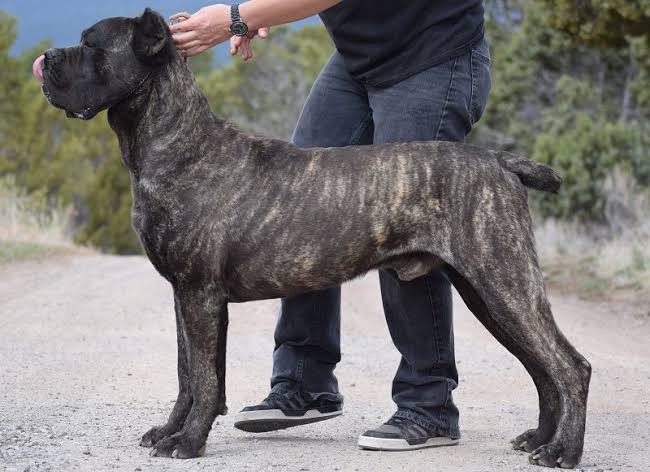
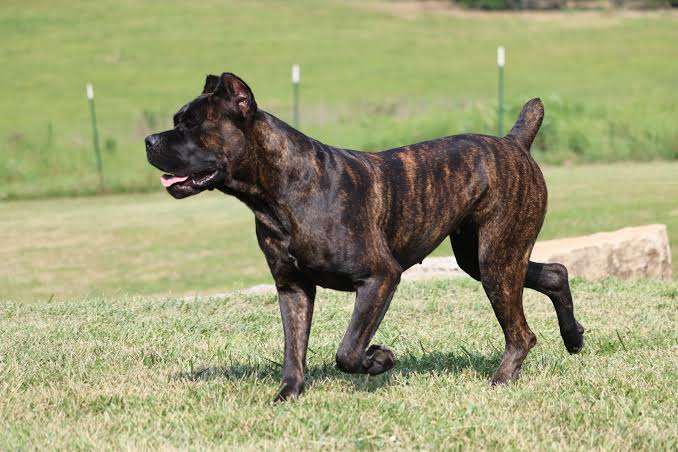
The Cane Corso is an Italian breed of mastiff. It is usually kept as a companion dog or guard dog; it may also be used to protect livestock. In the past it was used for hunting large game, and also to herd cattle.

Confident,Smart and trainable. the Cane Corso is a fearless protector. The Corso’s lineage goes back to ancient Roman times, and the breed’s name roughly translates from the Latin as ‘bodyguard dog.

The corso is an intelligent and loyal dog. eager to please and versatile, and intensely protective to outsiders , but are also assertive and willful, and can end up owning an unwitting owner. As with any other big guardian dog, responsible breeding and early socialization with people and other dogs is vital.
Large, muscular, and somewhat majestic in appearance, the corso’s size and strength are his dominating features and among the reasons he’s a popular choice for watching over his owners and property. “They’re these big, beautiful, mastiff-type breed.

Other name : Cane Corso Italiano

OriginItaly : Italy

Other names Cane corso Italiano
OriginItaly
Types of Cane corso
Colour
Pattern
Height
Wheight
Life expectancy
Produce

History of the Cane Corso

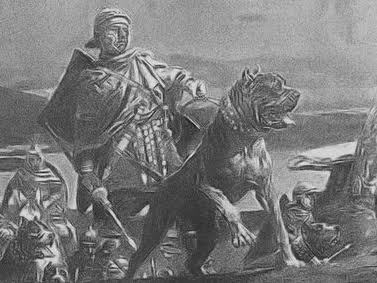
The Cane Corso originated in Italy and can be traced back to ancient times. The molossus, a now extinct mastiff-type dog, is an ancestor of the Cane Corso and similar mastiff-type dogs. Throughout its early history, the Cane Corso acted as a guard dog, war dog, and skilled hunter of various game (including very large game). Its name is derived from the Italian word for dog, cane, and the Latin term cohors, which means “protector” or “guardian.”

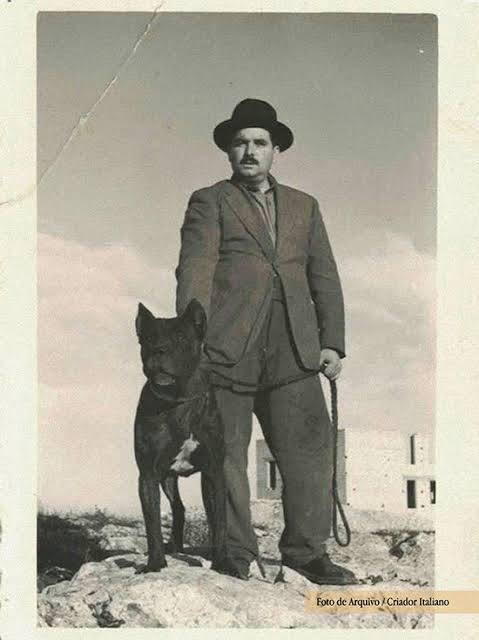
Cane Corso breed was brought on by World Wars I and II, but small numbers of the dogs still existed. During the 1970s, Cane Corso enthusiasts sparked a revival of the breed.The first Cane Corso dogs arrived in the U.S. in 1988. The breed was admitted to the AKC miscellaneous class in 2007 and received full recognition into the AKC working group in 2010.

Characteristic of the Cane Corso

Adaptability ⭐⭐⭐⭐⭐
Appearance ⭐⭐⭐⭐⭐
Dangerous ⭐⭐⭐⭐⭐
Energy ⭐⭐⭐⭐⭐
Exercise needed ⭐⭐⭐⭐⭐
Health ⭐⭐⭐⭐⭐
Intelligence ⭐⭐⭐⭐⭐
Muscle and power ⭐⭐⭐⭐⭐
Loyalty ⭐⭐⭐⭐⭐
Rareness ⭐⭐⭐⭐⭐
Obedience ⭐⭐⭐⭐⭐
Personality ⭐⭐⭐⭐⭐
Temperament ⭐⭐⭐⭐⭐

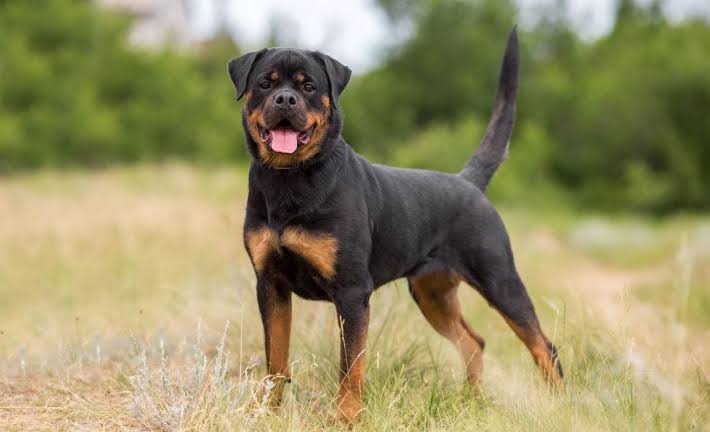
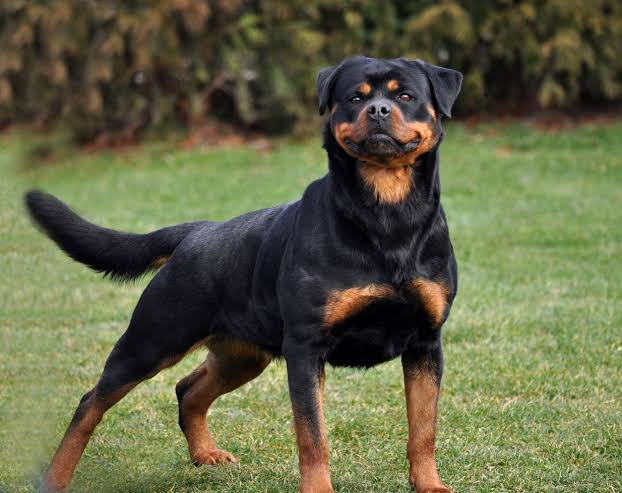
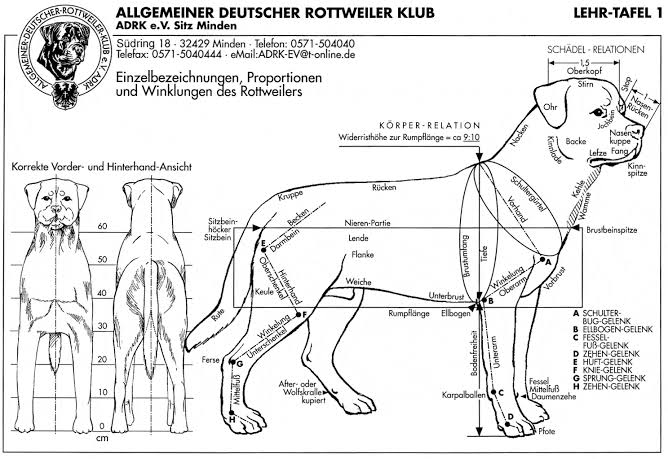
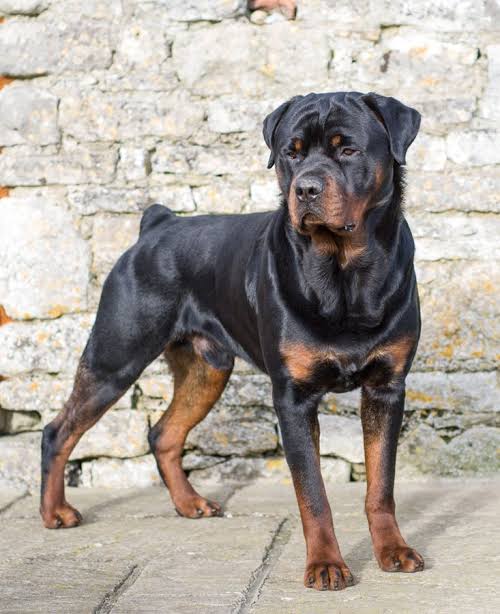
Rottweiler

The Rottweiler is a breed of domestic dog, regarded as medium-to-large or large. The dogs were known in German as Rottweiler Metzgerhund, meaning Rottweil butchers’ dogs, because their main use was to herd livestock and pull carts laden with butchered meat to market.According to the FCI Standard, the Rottweiler is considered to be one of the oldest dog breeds.

Information and facts about the rottweiler

Other names: the Rottie, the Rott, or Rottweil Metzgerhund (German for “Butcher's Dog”)

Origin: Germany
Other names The Rottie, the Rott, or Rottweil Metzgerhund (German for “Butcher’s Dog”)
Origin Germany
Types of Rottweilers
Colour
Patterns
Height
Wheight
Life expectancy
Produce

Facts

The rottweiler ranks in the top ten of most popular dog breeds via the American Kennel Club (AKC). 

Around 73 or 74 AD, the ancient Roman armies along with their herder dogs camped near the Neckar River in Germany.

The American Rottweiler Club formed in 1973 and is the only Rottweiler club that’s a member of the AKC.

Rottweilers are one of the oldest pure breed dogs in the world. They are known to have originated

Rottweiler dogs belong to the class called Mammalia.

There are abundant Rottweilers available in the entire world. However, it is very difficult to get a pure breed of good quality. 

A Rottweiler dog can run at a speed of 20-25 mph (32.1-40.2 kph)

The Rottweiler breed is a working breed of dog which needs a lot of exercise and training. If you are looking for a dog for the first time, this breed of dog might be a tough choice for you. Since the dog has a very sturdy heritage, these dogs have a lot of energy.

The rottweiler tends to put on weight if their diet is not restricted and controlled. 

During the industrial revolution, the Rottweilers breed almost became extinct. This is because when new forms of transportation like railroads were introduced, it became easier to transport animals from one place to another, thus the demand for herding dogs drastically reduced.

They are honest and deeply devoted to their owners. Rottweilers have a reputation for being intimidating and aggressive because they are natural guard dogs and can be protective of their home and family.

They can learn to be gentle with older or smaller dogs and small children, but young Rottweilers are generally a little bit unpredictable.

Characteristic of the rottweiler

Adaptability ⭐⭐⭐⭐⭐
Appearance ⭐⭐⭐⭐⭐
Dangerous ⭐⭐⭐⭐⭐
Energy ⭐⭐⭐⭐⭐
Exercise needed ⭐⭐⭐⭐⭐
Health ⭐⭐⭐⭐⭐
Intelligence ⭐⭐⭐⭐⭐
Muscle and power ⭐⭐⭐⭐⭐
Loyal⭐⭐⭐⭐⭐
Rareness ⭐⭐⭐⭐⭐
Obedience ⭐⭐⭐⭐⭐
Personality ⭐⭐⭐⭐⭐
Temperament ⭐⭐⭐⭐⭐

History of the rottweiler

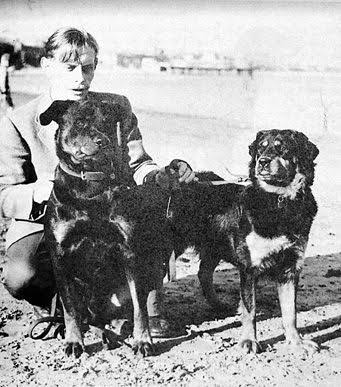
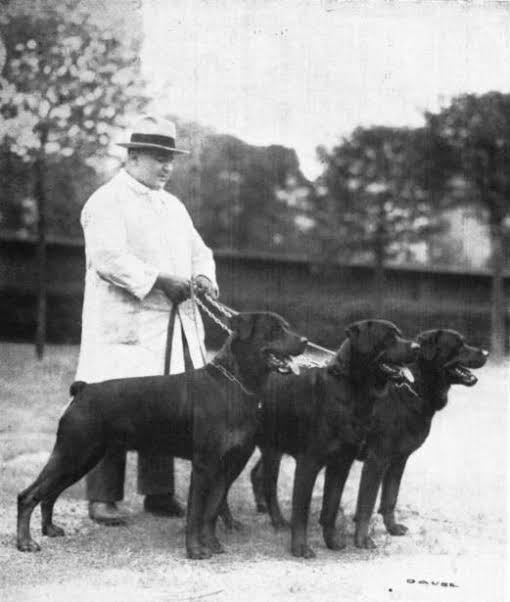
As said , the rottweiler is one of the oldest dog breeds, Its origin goes back to Roman times. These dogs were kept as herder or driving dogs. They marched over the Alps with the Roman legions, protecting the humans and driving their cattle. In the region of Rottweil, these dogs met and mixed with the native dogs in a natural crossing. The main task of the Rottweiler now became the driving and guarding of the herds of cattle and the defence of their masters and their property. This breed acquired its name from the old free city of Rottweil and was known as the “Rottweil butcher’s dog”. The butchers bred this type of dog purely for performance and usefulness. In due course, a first rate watch and driving dog evolved which could also be used as a draught dog.

the first Rottweiler club in Germany, was founded on 13 January 1914, and followed by the creation of the Süddeutscher.        (The Deutscher Rottweiler-Klub)and followed by the creation of the Süddeutscher Rottweiler-Klub (SDRK, South German Rottweiler Club) on 27 April 1915 and eventually became the IRK (International Rottweiler Club). The DRK counted around 500 Rottweilers, and the SDRK 3,000 Rottweilers. The goals of the two clubs were different. The DRK aimed to produce working dogs and did not emphasise the morphology of the Rottweiler.

The various German Rottweiler Clubs amalgamated to form the Allgemeiner Deutscher Rottweiler Klub (ADRK, General German Rottweiler Club) in 1921. This was officially recorded in the register of clubs and associations at the district court of Stuttgart on 27 January 1924.u The ADRK is recognised worldwide as the home club of the Rottweiler.

Characteristics of the Rottweiler

Adaptability                   ⭐⭐⭐⭐⭐

Devotion to owner        ⭐⭐⭐⭐⭐

Intelligence                     ⭐⭐⭐⭐⭐

Danger                              ⭐⭐⭐⭐⭐

Friendly                            ⭐

Physical needs                 ⭐⭐⭐⭐

Power and muscle          ⭐⭐⭐⭐⭐

Trainability                     ⭐⭐⭐

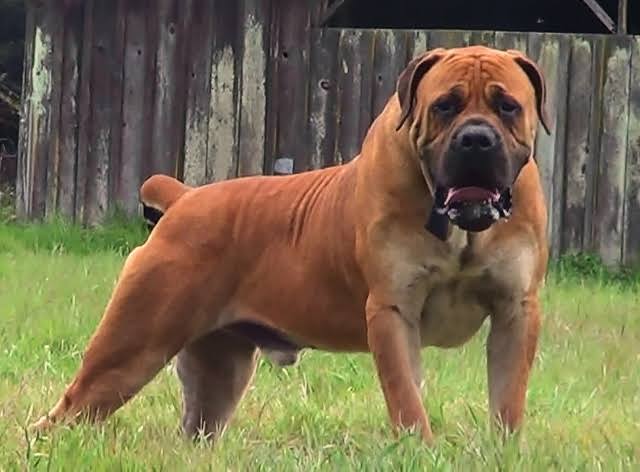
Boerboel

The boerboel is a dominant and confident dog, the boer is devoted to protecting the owner at any cost.

The boer was  bred to help farmers in South Africa defend their homesteads from hyenas and lions

The Boerboel is a large, mastiff-type dog from South Africa. This breed is large with a strong bone structure and well developed muscles. Its head appears blocky with a short length between the stop and nose.        -The Boer’s physical strength is only matched by the strength of their devotion to their homes and families. The Boerboel breed is descended from dogs brought by Dutch settlers to South Africa who defended the homestead from hyenas, lions, leopards, and other dangerous wildlife. Today, they are prized as watchdogs, guardians, and competitors in canine competitions, as well as highly protective family companions that adore kids. They can, however, be quite territorial

Since Boerboels have been revived in South Africa, they have grown in popularity and have been exported around the world. Even so, they are still considered to be a more rare breed.

Information and facts about the boerboel

Other names: South African Mastiff, South African Boerboel, The Bore, Borbull, or Bole.

Origin: South Africa
Other names South African Mastiff, South African Boerboel, The Bore, Borbull or Bole
Origin South Africa
Types of boerboels
Colour brindle, fawn, and brown.
Pattern
Height 24 to 28 inches (male)
22 to 26 inches
(female)
Wheight 110 to 200 pounds (male)
90 to 180 pounds (female)
Life expectancy 10 to 12 years
Produce 5 to 20 puppies

Facts

*The Boerboel originated in South Africa in the 1800s. 

*A mix of several different dog breeds, the Boerboel has the best traits of each. They are swift runners, capable of subduing large game.

*The boerboel is banned in several countries.

* Dutch settlers in South Africa were amused by the alertness and courageousness of this breed, especially when it came to defending their property.

* The boerboel was so power and protective that it was able to fend off large South African game like leopards and hyenas without much of a struggle.

* The boerboel is known to be aggressive with other dogs especially the same gender.

* Surprisingly enough, this breed seems to do pretty well with cats, We think it’s because of the fact that they were never trained to hunt small game.

*The Boerboel isn’t just a good guard dog. It is a great guard dogs and watchdog.

* The boerboel doesn’t shed at all

* The Boerboel is know to be quiet. They only bark when they see a potential threat.

Characteristic of the boerboel

Adaptability ⭐⭐⭐⭐⭐
Appearance⭐⭐⭐⭐⭐
Dangerous ⭐⭐⭐⭐⭐
Energy ⭐⭐⭐⭐⭐
Exercise needed ⭐⭐⭐⭐⭐
Health ⭐⭐⭐⭐⭐
Intelligence ⭐⭐⭐⭐⭐
Muscle and power ⭐⭐⭐⭐⭐
Loyal ⭐⭐⭐⭐⭐
Rareness ⭐⭐⭐⭐⭐
Obedience ⭐⭐⭐⭐⭐
Personality ⭐⭐⭐⭐⭐
Temperament ⭐⭐⭐⭐⭐

History of the boerboel

Some history, murky as it might be: The Boerboel (pronounced “boo-r-bull”) is South Africa’s answer to the Mastiff. The name Boerboel derives from the Afrikaans words boer which means farmer, and “boel” which is a shortening of “boelhond” which means bulldog.

Some of the Boerboel’s ancestors came with the first European settlers in southern Africa: When Jan van Riebeeck arrived in 1652 to work for the tea company that founded the Dutch colony at the Cape of Good Hope, he brought along a Bullenbeisser  “biter of bulls”  a now-extinct breed believed to have been involved in the development of the Boxer as well. Centuries later, DeBeers imported some of Britain’s finest Bullmastiffs to patrol its famous diamond mines. And even the most fleeting glimpse of a Boerboel reveals the Bullmastiff influence in terms of the large, blocky head, tremendous bone and traditionally seen colors and patterns (fawn, red and brindle).One historical source dated 1909 describes events in 1857, when a cross between a bulldog and a mastiff referred to as the “Boer Hunting Dog” was the best dog for hunting leopards and baboons .

This dog could easily kill a leopard if they cross paths

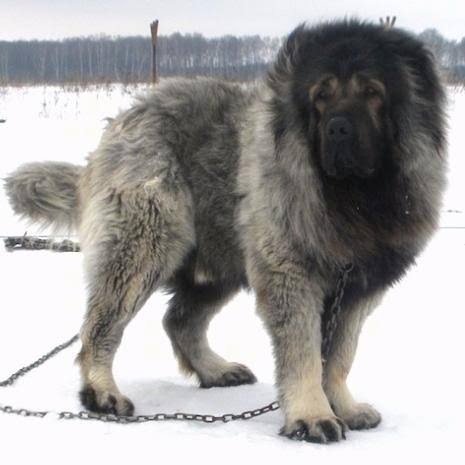
Caucasian sheperd

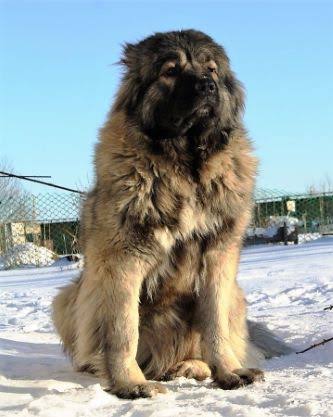
The Caucasian Shepherd is among the most renowned large dogs. These canines are excellent companions and to protect their owners and flocks from dangerous predators.

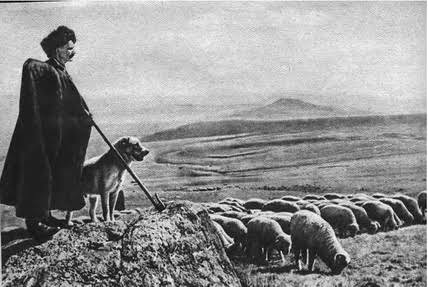
The Caucasian sheperd was bred as a livestock guardian  defending sheep from predators, mainly wolvesjackals and bears

Information and facts about the Caucasian Shepherd

Other names Caucasian Ovcharka, Caucasian Sheepdog,
Kawkasky Owtscharka, and Kaukasische Schaferhund.
OriginRussia
Types of Caucasian Shepherd
Colour Black, White, Fawn, Cream, Rust, Grey.
Pattern
Height 25 to 30 inches (male)
23-27 inches female.
Weight 110 to 220 pounds (male)
100 to 180 pounds (female)
Life expectancy 11 to 13 years
Produce 5 to 10 puppies

The Caucasian Shepherd dog is a serious guardian breed and should never be taken lightly. The Caucasian is bold, fearless, self-confident and fierce when a threat is present, but he is also, devoted, kind and endearing to his family, including other family pets.

Facts

There is a great variety of types among the Caucasian dogs depending on their home region. For almost a century, there has been two breed types and standards: The Mountain type, which is long-coated and has a heavier body mass than the Steppe type, a shorter-coated dog with a lighter body mass. Other names for the breed include Caucasian Ovcharka, Caucasian Sheepdog, Kawkasky Owtscharka, and Kaukasische Schaferhund.

* The Caucasian shepherd takes a whole lot of time, dedication, and training to achieve supreme obedience and manageable behavior.

* A Ferocious beasts like the Caucasian Shepherd can take down a wolf . They are often found roaming the countryside of Russia, Armenia, Azerbaijan and Georgia.

* If you’re looking for a protective breed with a strong disposition, the Caucasian Ovcharka could be a solid option.

* The typical colors of a true Caucasian Ovcharka are gray, tan, pied, brindle, and white.

* The Caucasian Shepherd has Thick coat of long hair covers the entire body, from ears to between the toes. It’s weatherproof and insulated, making the Caucasian Ovcharka well adapted to life in extreme outdoor temperatures.

* With a bite PSR of 550-700 PSI, the Caucasian Shepherd is a force to be reckoned with in the canine world. 

* The Caucasian Shepherd Dog can be highly protective and aggressive if it feels its family is threatened. 

* Once a year, caucasian shepherd go through what’s called “blowing coat”. This is a heavy shed.

* Traditionally, the ears of this breed are cropped. To give it more of a intimidating look.This is a practise that continues in many countries.

* They are known not to be friendly with other dogs.

Characteristic of the Caucasian Shepherd

Adaptability ⭐⭐⭐⭐⭐
Appearance ⭐⭐⭐⭐⭐
Dangerous ⭐⭐⭐⭐⭐
Energy ⭐⭐⭐⭐⭐
Exercise needed ⭐⭐⭐⭐⭐
Health ⭐⭐⭐⭐⭐
Intelligence ⭐⭐⭐⭐⭐
Muscle and power ⭐⭐⭐⭐⭐
Loyal ⭐⭐⭐⭐⭐
Rareness ⭐⭐⭐⭐⭐
Obedience ⭐⭐⭐⭐⭐
Personality ⭐⭐⭐⭐⭐
Temperament ⭐⭐⭐⭐⭐

Health

History of the Caucasian sheperd

The Caucasian Shepherd Dog is one of the ancient breeds and it originated in the Caucasus mountain region of Eastern Europe. The dog is quite ancient in its history and these canines are the closest relatives of the mastiffs of Asia and sheepdogs of the Balkans.

The Caucasian was developed in the Soviet Union from about 1920 from dogs of the Caucasus Mountains and the steppe regions of Southern Russia. The Caucasus Mountains in Georgia has historically been the principal region of distribution of the Caucasian Shepherd dogs, both in terms of numbers and the quality of the dogs present in the area.

The selection of the breed started in the 1920s, in the USSR, and the selection was used to propagate the breed’s distinct qualities. These qualities include fearlessness, self-confidence, immense physical strength, sharpened senses, endurance, intelligence a dense and water-resistant coat. Due to this, these dogs could survive in harsh climates.

Characteristic of the Caucasian Shepherd

Doberman

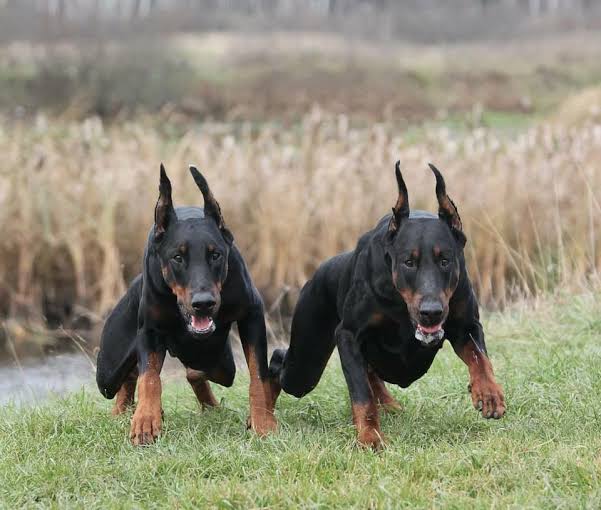
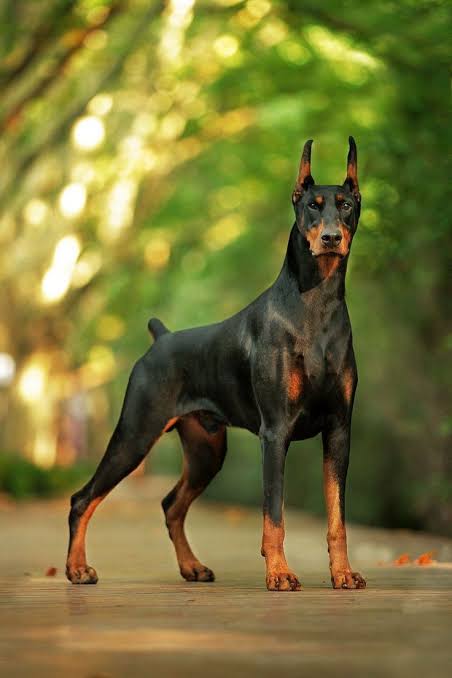
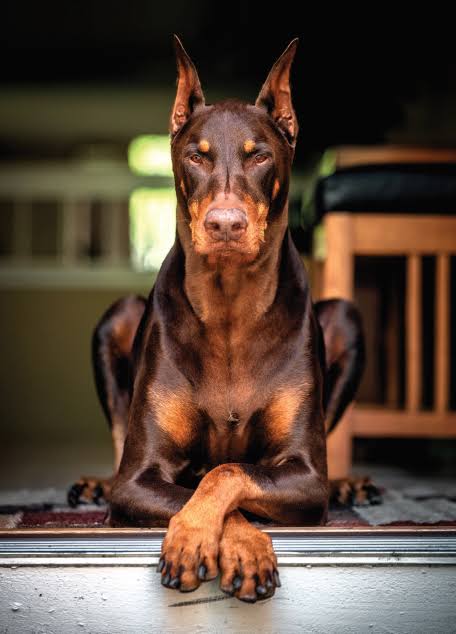
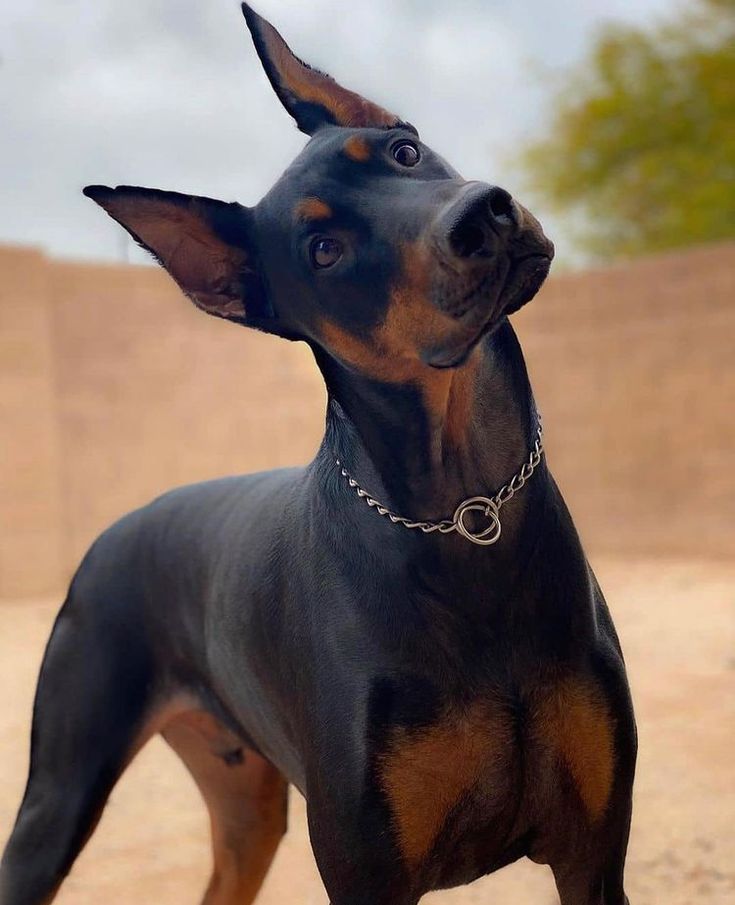
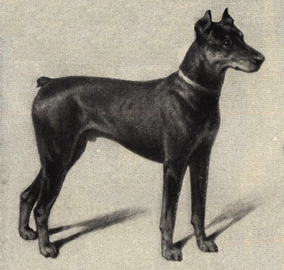
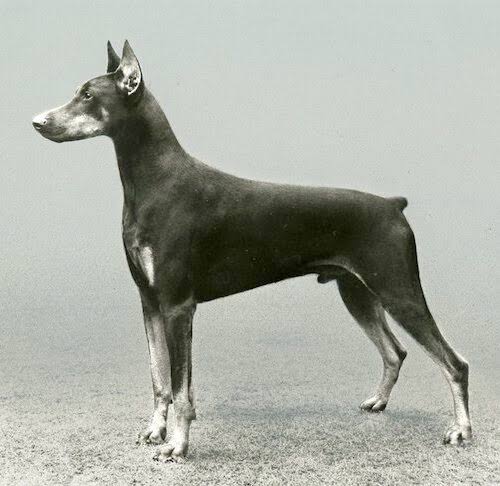
The Dobermann or Doberman Pinscher is a large breed of domestic dog that is known to be intelligent, alert and tenaciously loyal companion and guard dog. Personality varies a great deal between each individual but, if taken care of and properly trained, they are generally considered to be loving and devoted companions. The Dobermann is driven, strong, and sometimes stubborn. With a consistent approach, they can be easy to train and will learn very quickly.

Information and facts about the doberman

Other Names Doberman Pinscher, dobie, Doberman
Origin Germany
Types of Doberman
Colour Black, White, Fawn, black and Rust, Fawn and Rust, Blue and Rust, Blue, Red, Albino.
Pattern
Height Height. 26-28 inches (male)
24-26 inches (female)
Weight 75-100 pounds (male)
60-90 pounds (female)
Life expectancy 10 to 13 years
Produce 6 to eight puppies

* A lot of dogs were used in making the Doberman breed.

These dogs were believed to be :

  • Rottweiler
  • German Shorthaired Pointer,
  • Weimaraner,
  • Manchester Terrier,
  • Beauceron,
  • Great Dane,
  • Black and Tan Terrier,
  • Greyhound 

* The dober man is the 5th most intelligent dog

Facts:

* Dobermans are extremely athletic and intelligent dogs, so no task is out of their league.

* Dobermans have a reputation as menacing security dogs, but that doesn’t mean they don’t have a soft spot for their two-legged pals.

* The dober man was first bred by a tax collector named (Herr Karl Louis Dobermann)

* The Dobermann has a long muzzle. It stands on its pads and is not usually heavy-footed. Ideally, they have an even and graceful gait. Traditionally, the ears are cropped and posted and the tail is docked. However, in some countries, these procedures are now illegal. Dobermanns have markings on the chest, paws/legs, muzzle, above the eyes, and underneath the tail.

* Dobermans are known to kill various of poisonous snakes

* Kurt the Doberman was the first canine casuality in the 1944 Battle of Guam during WWII. He went ahead of the troops and warned them of the approaching Japanese soldiers. But sadly he was killed by an enemy’s grenade.

* Since Dobermans are transitioning from guard dogs to loving companions, breeders are moving them away from aggressive qualities.

* Doberman Pinschers canine breeds have been quite actively represented in numerous works of fiction such as ‘K-911’, ‘Oliver and Company’, and more.

* The short-haired Doberman has very little body fat, which makes it sensitive to the cold. 

Health

Characteristic of the Doberman

Adaptability ⭐⭐⭐⭐⭐
Appearance ⭐⭐⭐⭐⭐
Dangerous ⭐⭐⭐⭐
Energy ⭐⭐⭐⭐
Exercise needed ⭐⭐⭐⭐
Health ⭐⭐⭐⭐
Intelligence ⭐⭐⭐⭐
Muscle and power ⭐⭐⭐⭐
Loyal ⭐⭐⭐⭐⭐
Rareness⭐⭐⭐⭐
Obedience ⭐⭐⭐⭐
Personality ⭐⭐⭐⭐
Temperament ⭐⭐⭐

History of the Doberman

Dobermanns were first bred in the 1880s by Karl Friedrich Louis Dobermann in Apolda, Thuringia, Germany, a tax collector who ran the Apolda dog pound. With access to dogs of many breeds, he got the idea to create a breed that would be ideal for protecting him. He set out to breed a new type of dog that would exhibit impressive stamina, strength, and intelligence. Five years after Dobermann’s death, Otto Goeller, one of the earliest breeders, created the National Doberman Pinscher Club and is considered to have perfected the breed, breeding and refining them in the 1890s.

The breed is believed to have been created from several different breeds of dogs that had the characteristics that Dobermann was looking for. The exact ratios of mixing, and even the exact breeds that were used, remain uncertain, although many experts believe that the Dobermann Pinscher is a combination of several breeds including the BeauceronGerman PinscherRottweiler and Weimaraner.

The single exception is the documented crossing with the Greyhound and Manchester Terrier. It is also widely believed that the old German Shepherd was the single largest contributor to the Dobermann breed. Philip Greunig’s The Dobermann Pinscher (1939) describes the breed’s early development by Otto Goeller, who helped to establish the breed. The American Kennel Club believes the breeds utilized to develop the Dobermann Pinscher may have included the old shorthaired shepherd, Rottweiler, Black and Tan Terrier and the German Pinscher.

After Dobermann’s death in 1894, the Germans named the breed Dobermann-pinscher in his honor, but a half century later dropped the word ‘pinscher’ on the grounds that this German word for ‘terrier’ was no longer appropriate. The British did the same a few years later; now the US and Canada are the only countries who continue to use Pinscher and have dropped an “n” from Dobermann’s surname.

During World War II, the United States Marine Corps adopted the Doberman Pinscher as its official war dog, although the Corps did not exclusively use this breed in the role.

In the United States, the American Kennel Club ranked the Doberman Pinscher as the 12th most popular dog breed in 2012 and 2013.

Siberian husky

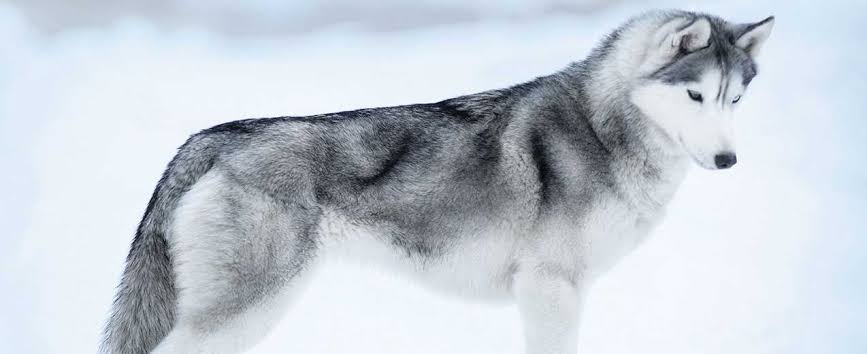
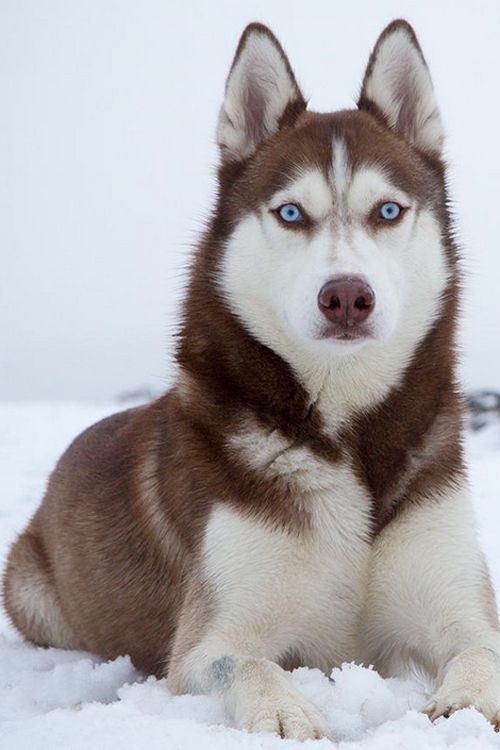
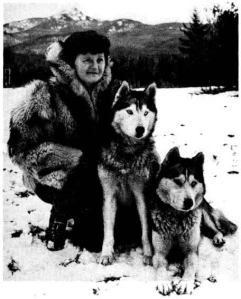
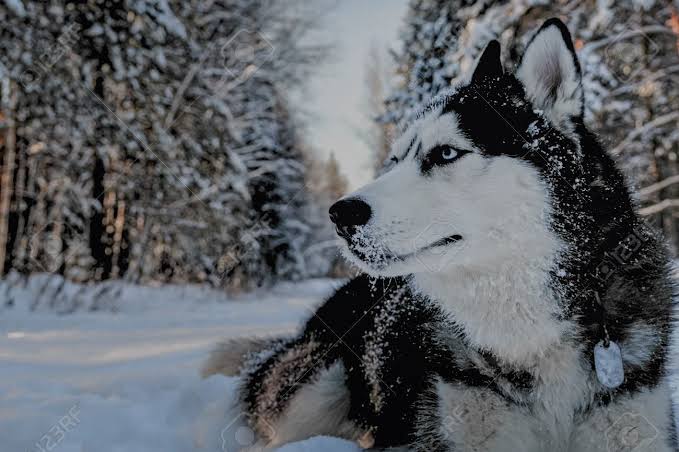
The Siberian Husky is a medium-sized working sled dog breed. The breed belongs to the Spitz genetic family.They are active, energetic, resilient breed, whose ancestors lived in the extremely cold and harsh environment of the Siberian Arctic. Where they are bred by the Chukchi people of Siberia for sled pulling and companionship.

Information and facts about the siberian husky


Other names Chuka, sibe, husky, chuksha.
OriginNortheast Asia
Types of siberian huskies
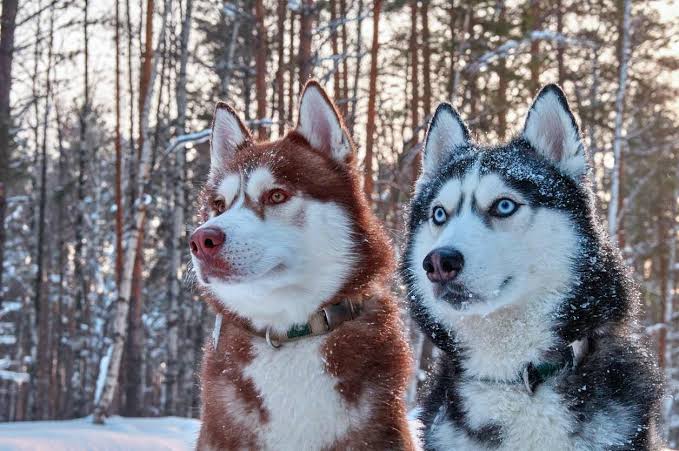
Colours White, black, grey and white, sable and white, black and tan, black and white, silver and grey, red and white
Patterns Husky colors come in a variety of shades and patterns. Their standard coat combination is white and agouti, black, grey, red, or sable.
hight 21 to 23 male (inches)
20 to 22 female (inches)
weight 45 to 60 male (pounds)
Female 35 to 50
Top speed30 mph
life expectancy 12 to 15 years
produce 4–8 puppies

Facts

* the made headlines around the world in the winter of 1925 when a sled team delivered lifesaving medicine to Nome, Alaska during a diphtheria outbreak. The team was led by a Siberian Husky named Balto.

* During World War II, Huskies were used by the US Army to transport provisions, medicine, and mail.

* The huskys can alter their metabolism. To draw energy from more than one source. This allows them to run for extended periods on very little food without becoming fatigued.

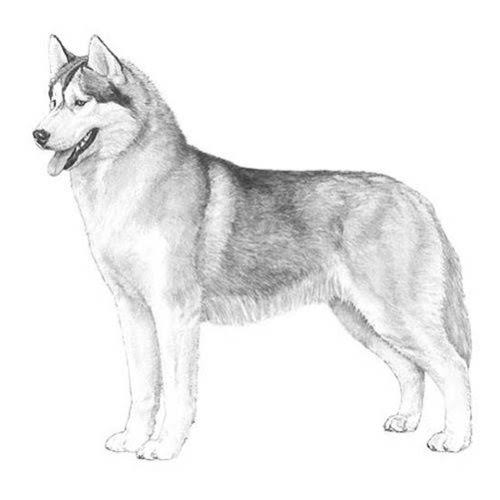
* The siberian husky is recognizable by the thickly furred double coat and erect triangular ears, distinctive markings, and is smaller than the similar-looking to an Alaskan Malamute.

* Siberian huskies were developed under harsh conditions and, not surprisingly, are easy dogs to keep. They can easily become obese if overfed or not exercised. These are dogs bred for running, and they should have a good run at least a couple of times weekly. Siberian huskies tend to be hardy dogs and often live to 14 years of age.

* The siberian husky can survive extreme cold temperatures.

* Huskies also have a condition known as snow nose in which pink markings appear on the nose in winter and usually disappears in summer.

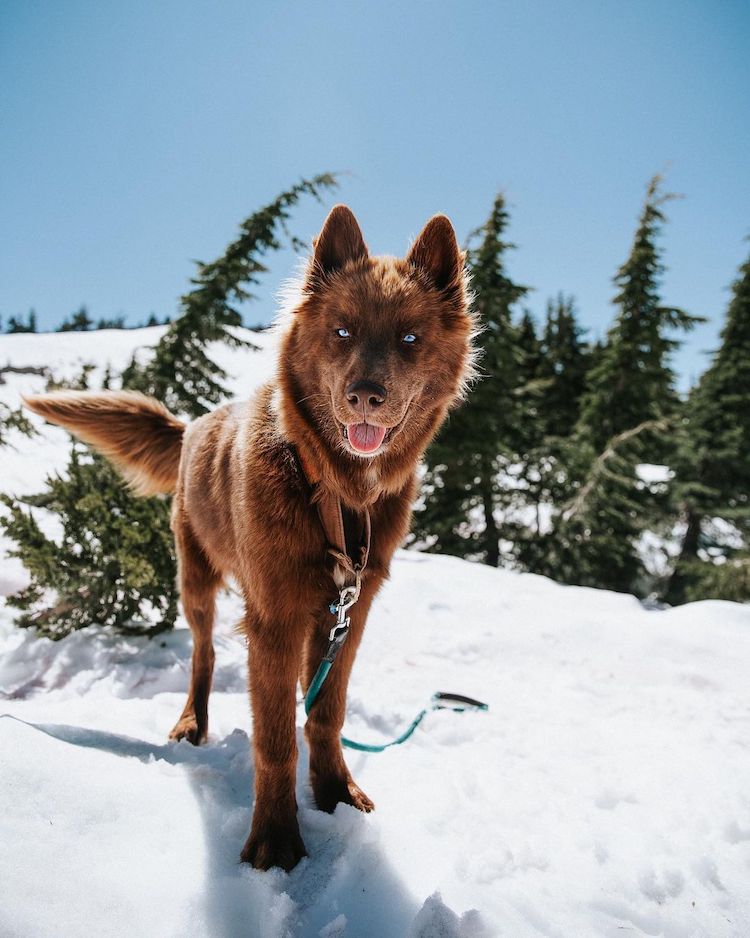
* Huskies can have brown or amber colours, but often the Husky’s eyes are a piercing blue. Blue eyes in Huskies are a dominant trait, This color is rare and recessive in other breeds.

* Siberian Huskies like to dig holes. This is normal because they burn excess energy, but digging also comes naturally to this breed.

* All of The Siberian husky puppies are known for their playful antics and exuberance. 

* The top speed for a Siberian Husky is 28 miles per hour

* Siberian Huskies are not recommended for apartment living, but some do quite well in apartments if they are properly trained and exercise.

* The siberian husky is not a good guard dog But Their fierce wolf-like appearance may scare off some intruders. They’re simply too playful and friendly and will happily welcome strangers

* Huskies are famous for the “Siberian Swirl.” This is a position Huskies commonly sleep in – curled up with their tails covering their noses. This behavior is for conserving warmth since they originated from the harsh cold of Siberia.

* Huskies have cured an epidemic.

     One of the most known feats of the Siberian Husky is the 1925 Serum Run to Nome, where 150 huskies ran 674 miles (1,085 km) in an extremely harsh blizzard to deliver the antitoxin for diphtheria.

* The siberian husky needs a lot of physical and mental stimulation . They need 30 to 60 minutes of exercise daily to keep them from boredom. Huskies are a lot more like teenagers. 

* In Game of Thrones’ The direwolves caused an increase in demand for Siberian Husky…

* The Husky is know to chew or jump through anything that gets in their way.

* Their good-naturedness with strangers makes them a great companion and/or a family dog.

Health

Characteristic of the siberian husky

Adaptability ⭐⭐⭐⭐⭐
Appearance ⭐⭐⭐⭐⭐
dangerous ⭐⭐⭐⭐⭐
energy ⭐⭐⭐⭐⭐
exercise needed ⭐⭐⭐⭐⭐
health ⭐⭐⭐⭐⭐
intelligence ⭐⭐⭐⭐⭐
muscle and power ⭐⭐⭐⭐⭐
loyal⭐⭐⭐⭐⭐
rareness ⭐⭐⭐⭐⭐
obedience ⭐⭐⭐⭐⭐
personality ⭐⭐⭐⭐⭐
temperament ⭐⭐⭐⭐⭐

History of the Siberian husky

The Siberian Husky’s compact body, well-furred coat, erect ears, and thick, sickle-shaped tail immediately suggest the breed’s northern heritage. The breed’s ancestors were originally bred in northeastern Asia by the Chukchi people and were kept as companion dogs for their families as well as endurance sled 

When changing climate conditions forced the semi-nomadic Chukchi to expand their hunting grounds or perish, they rose to the challenge by developing a sled dog capable of hauling light loads over vast expanses of frozen wasteland in sub-zero temperatures, with a minimum expenditure of energy. The Chukchi, isolated from the rest of the world, were able to maintain the purity of their sled teams for many generations. The dogs they developed were the direct forerunners of today’s Siberian Husky.

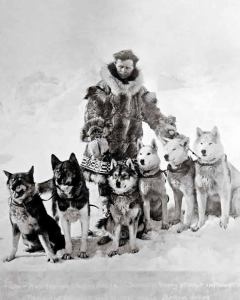
Siberians caught the eye of the public when they began winning sled races in the early 1900s, but they made headlines in 1925 when a legendary musher Leonhard Seppala led a relay of Siberian Huskies 658 miles in only five and a half days to rush a lifesaving serum to Nome, Alaska, where an epidemic of diphtheria had broken out. The thrilling “serum run,” reported breathlessly in newspapers around the world, won Siberians a popularity that has not abated to this day. Balto, who was Seppala’s lead dog on the final leg of the journey, remains one of the most honored hero dogs in canine history; a statue of him stands in New York City’s Central Park.

Mushers still keep packs of sledding Siberians for fun and sport throughout North America. Less adventurous devotees of the breed simply enjoy the company of this sociable, gentle companion.

Information and facts about the siberian husky

Weight Range:

Male: 45 lbs.
Female: 35-50 lbs.

Height at Withers:

Male: 23 in.

Female: 21 in.

Features:

Upright ears (naturally)

Expectations:

Exercise Requirements: >40 minutes/day
Energy Level: Average
Longevity Range: 11-13 yrs.
Tendency to Drool: Low Tendency to Snore: Low
Tendency to Bark: Moderate
Tendency to Dig: Moderate Social/Attention Needs: Moderate

Health

In Huskies, you should expect to see health clearances from the Orthopedic Foundation for Animals (OFA) for hip dysplasia (with a score of fair or better), elbow dysplasia, hypothyroidism, and von Willebrand’s disease; from Auburn University for thrombopathia; and from the Canine Eye Registry Foundation (CERF) certifying that eyes are normal. You can confirm health clearances by checking the OFA web site (offa.org).

Diseases

  • Cataracts
  • Corneal Dystrophy
  • Progressive Retinal

Design a site like this with WordPress.com
Get started